Overview
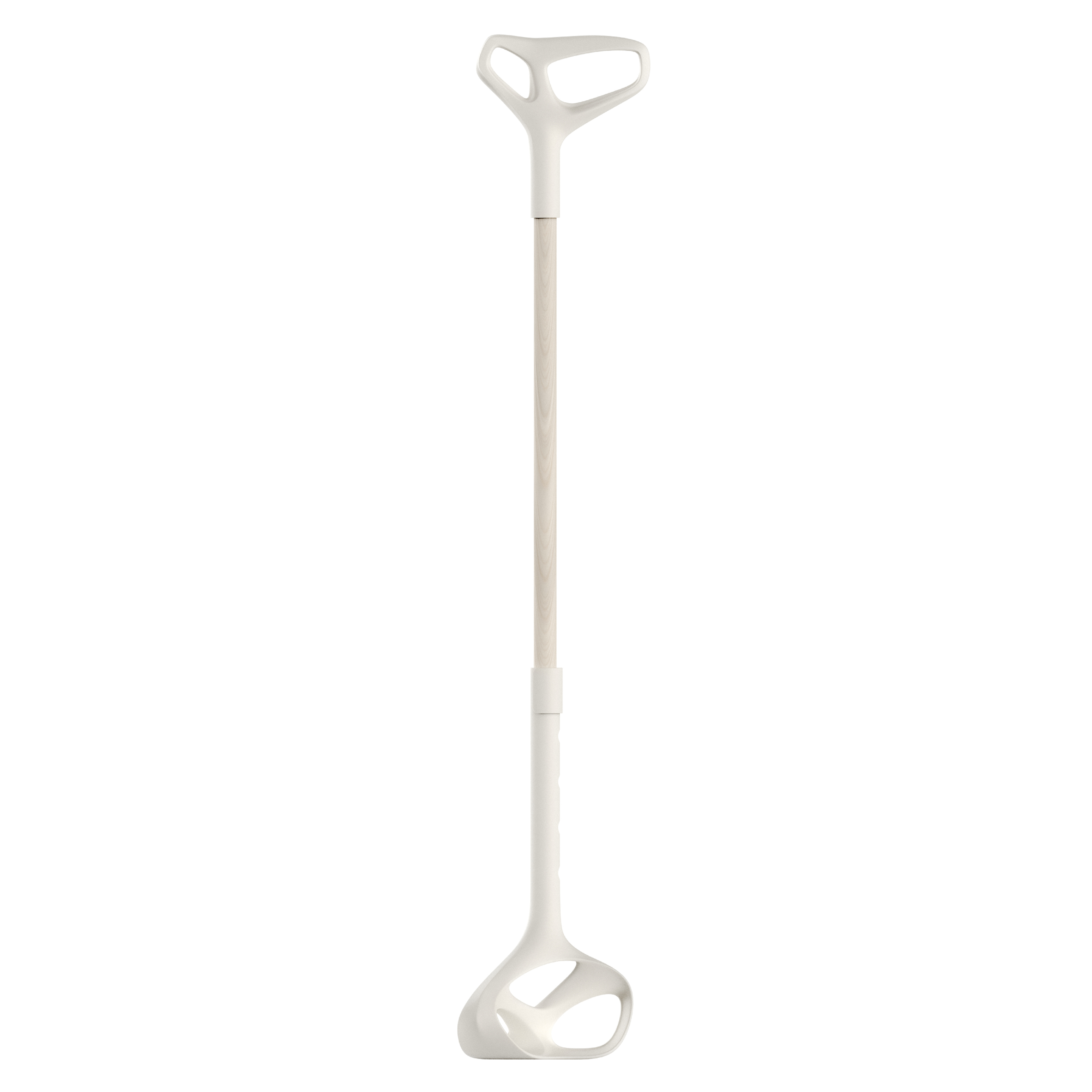
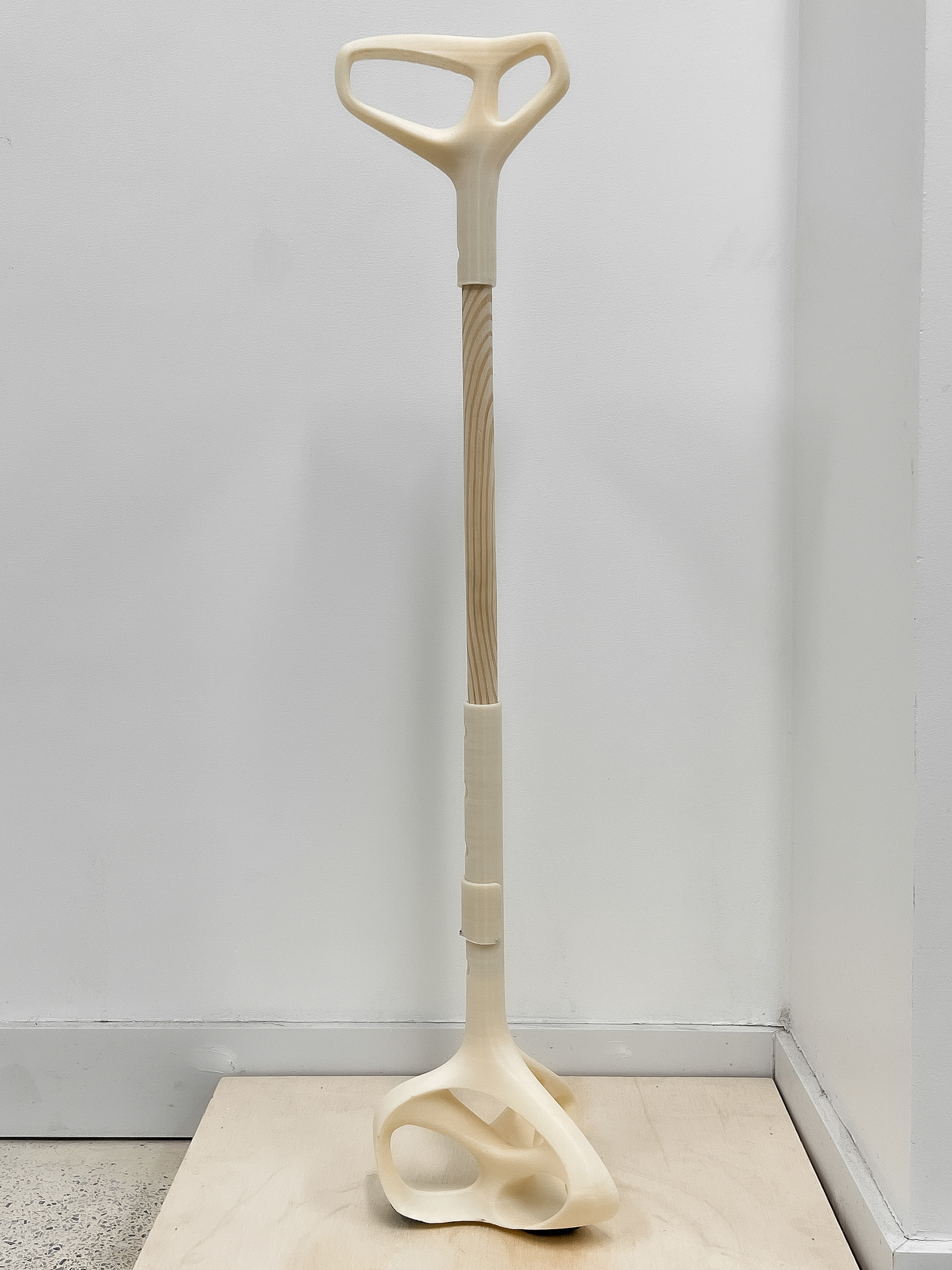
This project was developed as the final work of a Master’s degree in Design and combines academic research with the development of a physical assistive product. Beyond the written dissertation, the project resulted in a bio-inspired cane that was prototyped, tested and validated with stroke patients in a real clinical context.
Stroke (CVA/AVC) often results in long-term motor impairments that affect balance, mobility, and autonomy. Assistive walking devices are essential for rehabilitation, yet many existing solutions fail to adequately address ergonomic, functional and emotional aspects of use. The project was developed in collaboration with a public healthcare ambulatory, allowing direct contact with patients and healthcare professionals throughout the research and development process.
Research & Design Challenge
The central challenge was to translate academic research into a functional and manufacturable assistive product, capable of supporting patients during rehabilitation while addressing:
• Ergonomic comfort during prolonged use
• Structural stability and safety
• Ease of handling and intuitive interaction
• Emotional acceptance and dignity
• Ergonomic comfort during prolonged use
• Structural stability and safety
• Ease of handling and intuitive interaction
• Emotional acceptance and dignity
This required balancing clinical requirements, user feedback and manufacturing feasibility.
Bio-Inspired Design Approach
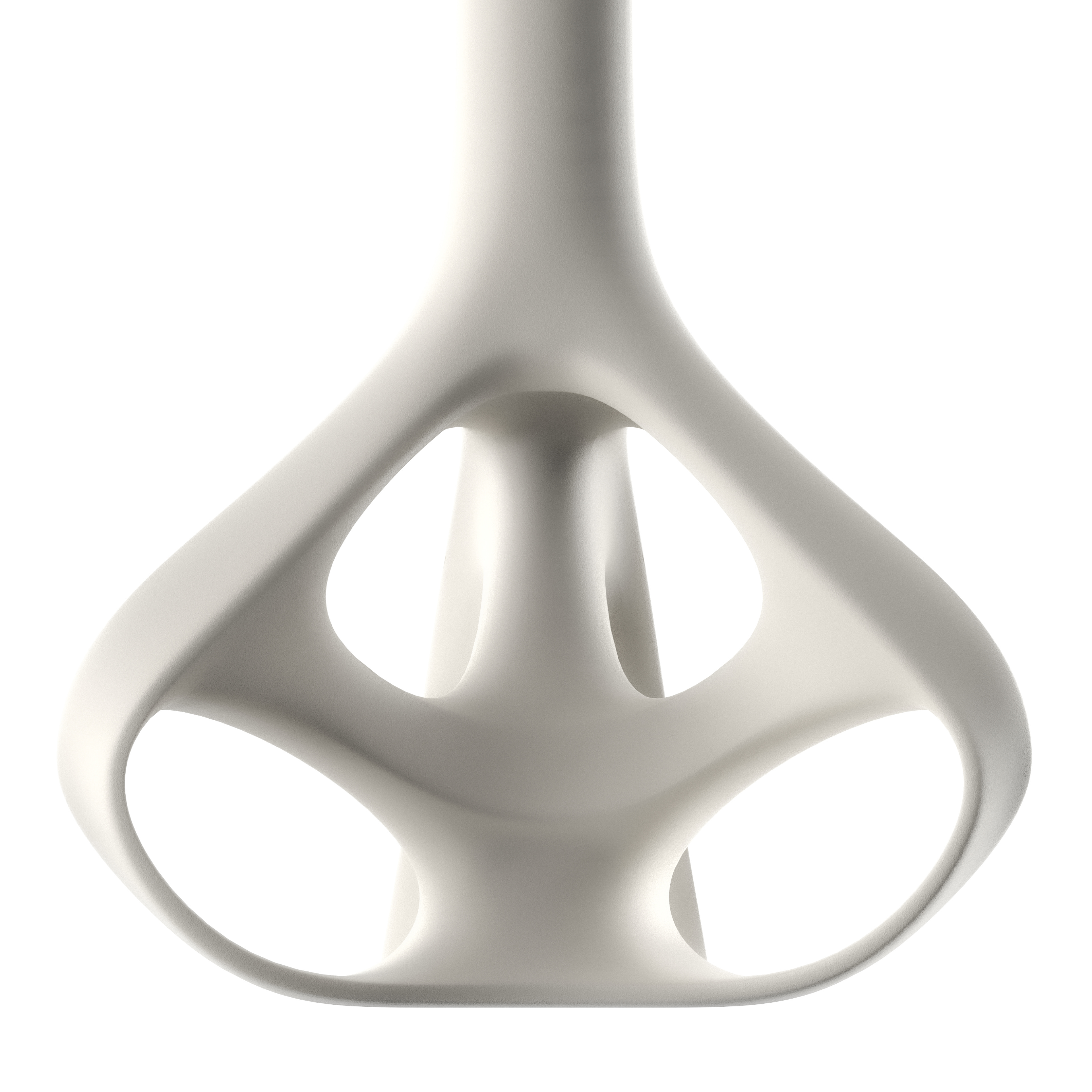
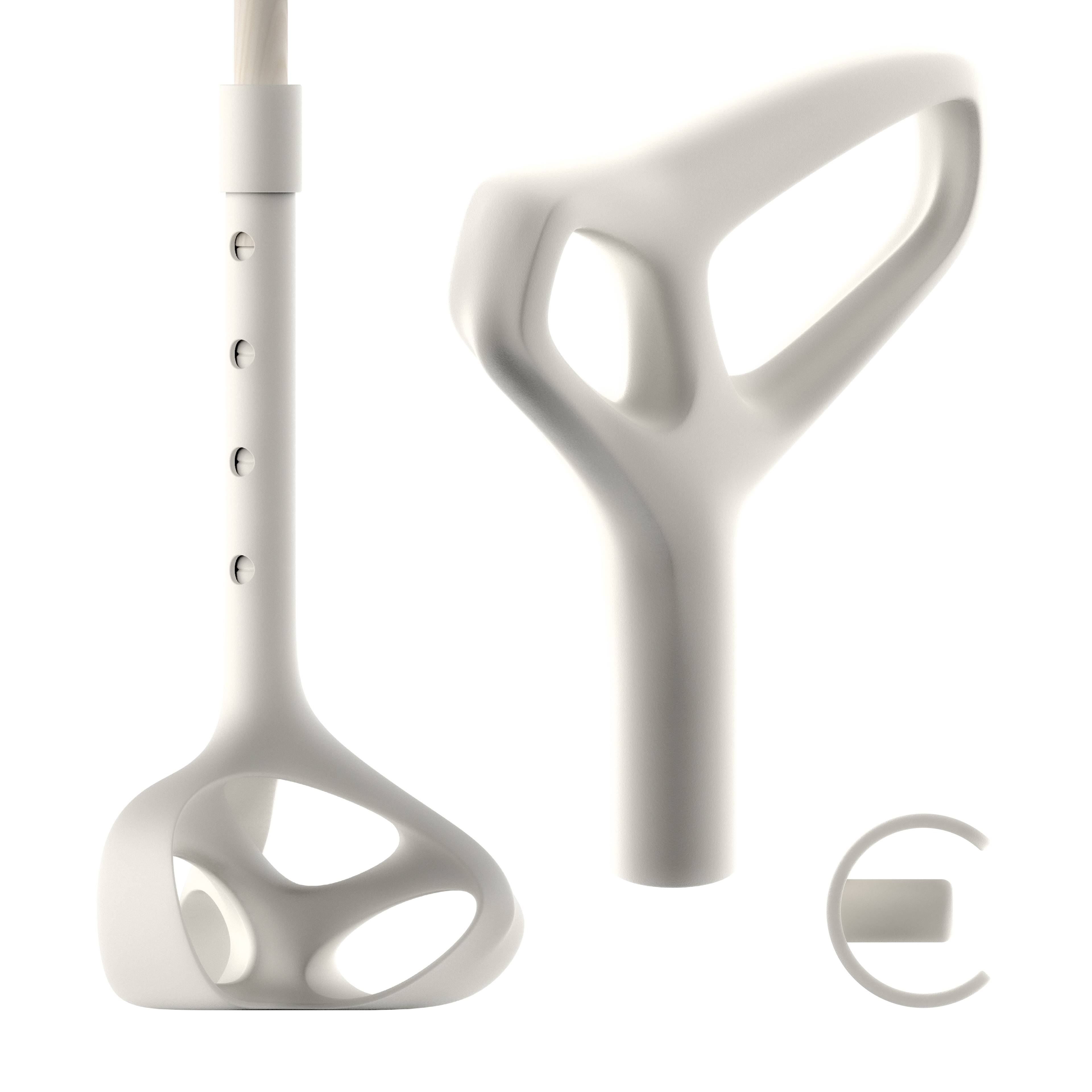
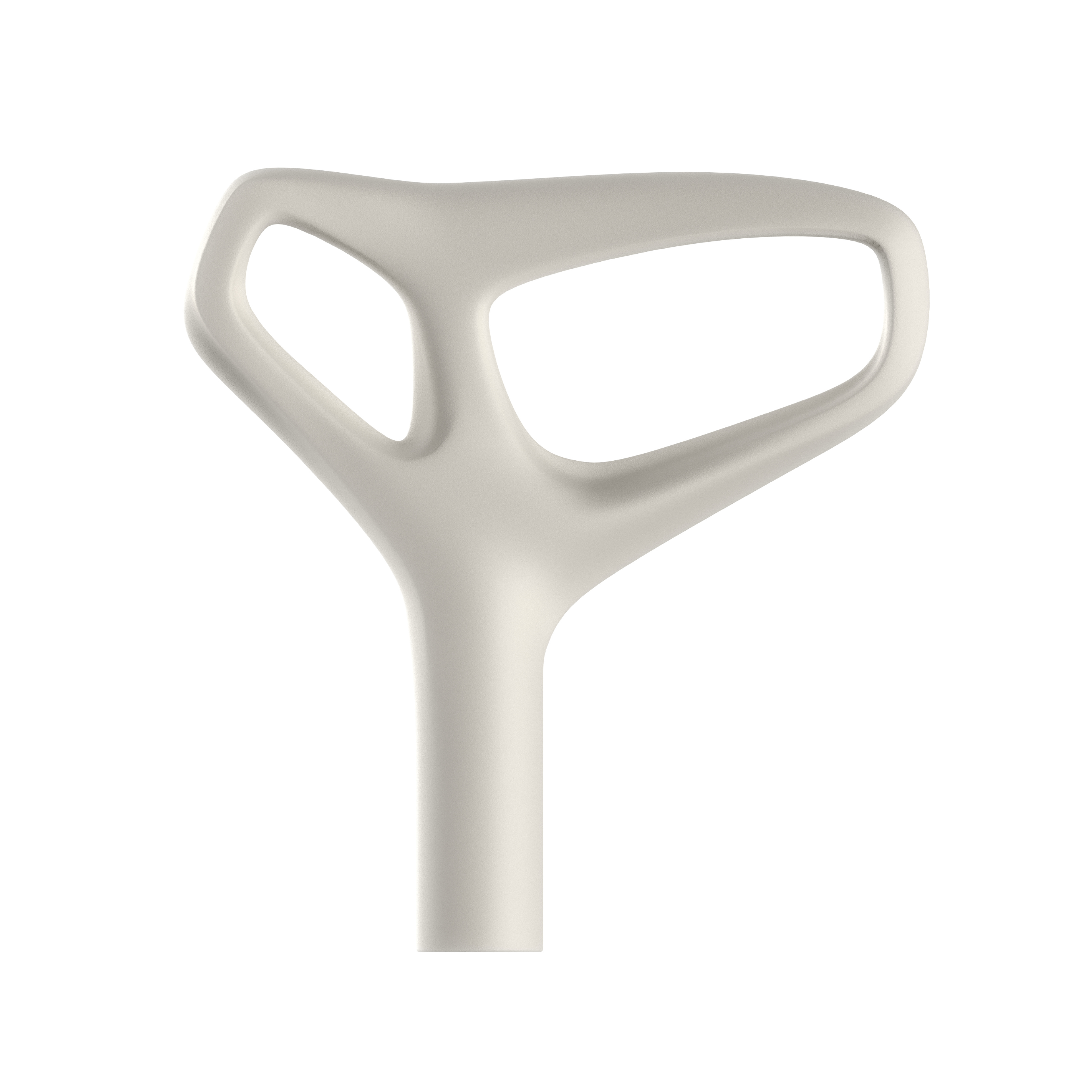
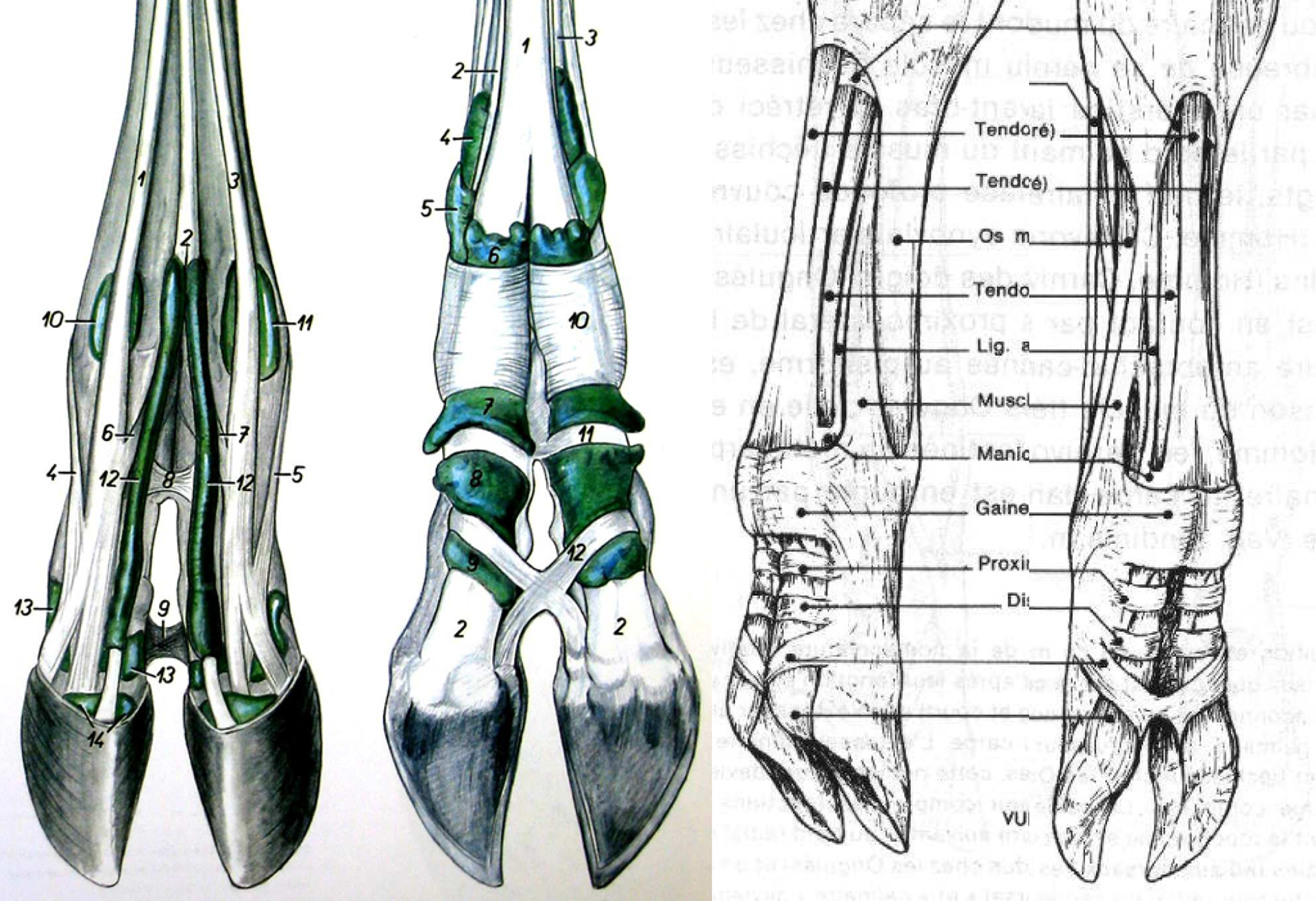
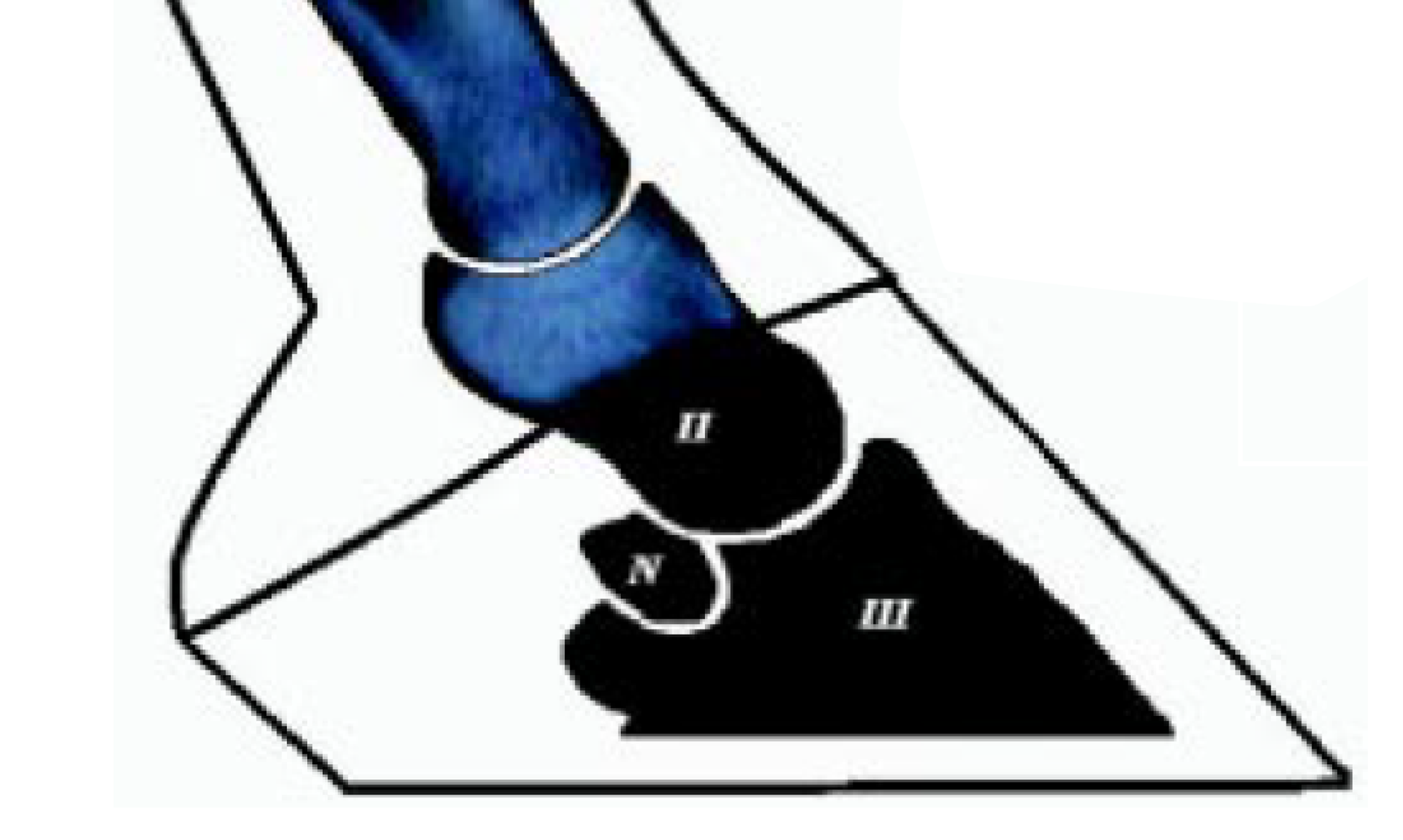
The design process adopted a bio-inspired approach, using natural structures as references to inform load distribution, form continuity and ergonomic transitions. Rather than literal imitation, biological principles were abstracted and translated into design criteria that guided structural definition, material thickness and overall geometry. Bio-inspiration functioned as a methodological tool, supporting both functional performance and perceptual qualities.

Prototyping & User Validation
The project advanced beyond conceptual development into physical prototyping and testing.
Key activities included:
• Full-scale prototyping
• Iterative refinement based on user feedback
• Usability testing with stroke patients at the partner ambulatory
• Evaluation of comfort, handling and perceived stability
• Full-scale prototyping
• Iterative refinement based on user feedback
• Usability testing with stroke patients at the partner ambulatory
• Evaluation of comfort, handling and perceived stability
The validation process confirmed the feasibility and relevance of the proposed design in a real rehabilitation context.
Outcome
• Bio-inspired assistive cane developed as a physical product
• Prototype tested and validated with end users
• Academic research translated into a tangible design solution
• Project completed as the Master’s degree final work
• Prototype tested and validated with end users
• Academic research translated into a tangible design solution
• Project completed as the Master’s degree final work
Master's project summary
"Design and bioinspiration: perception of assistive technologies in a stigmatized context"
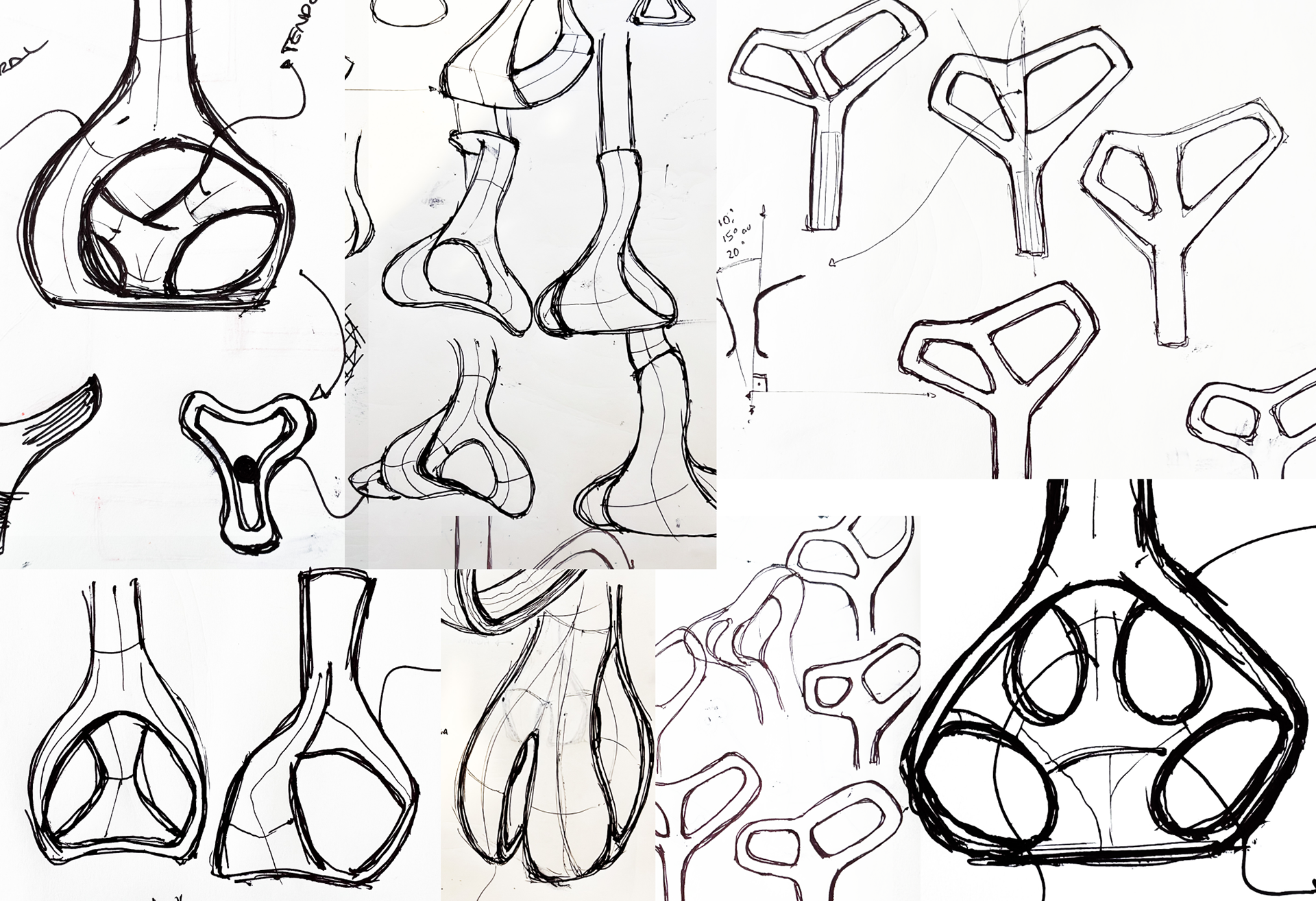
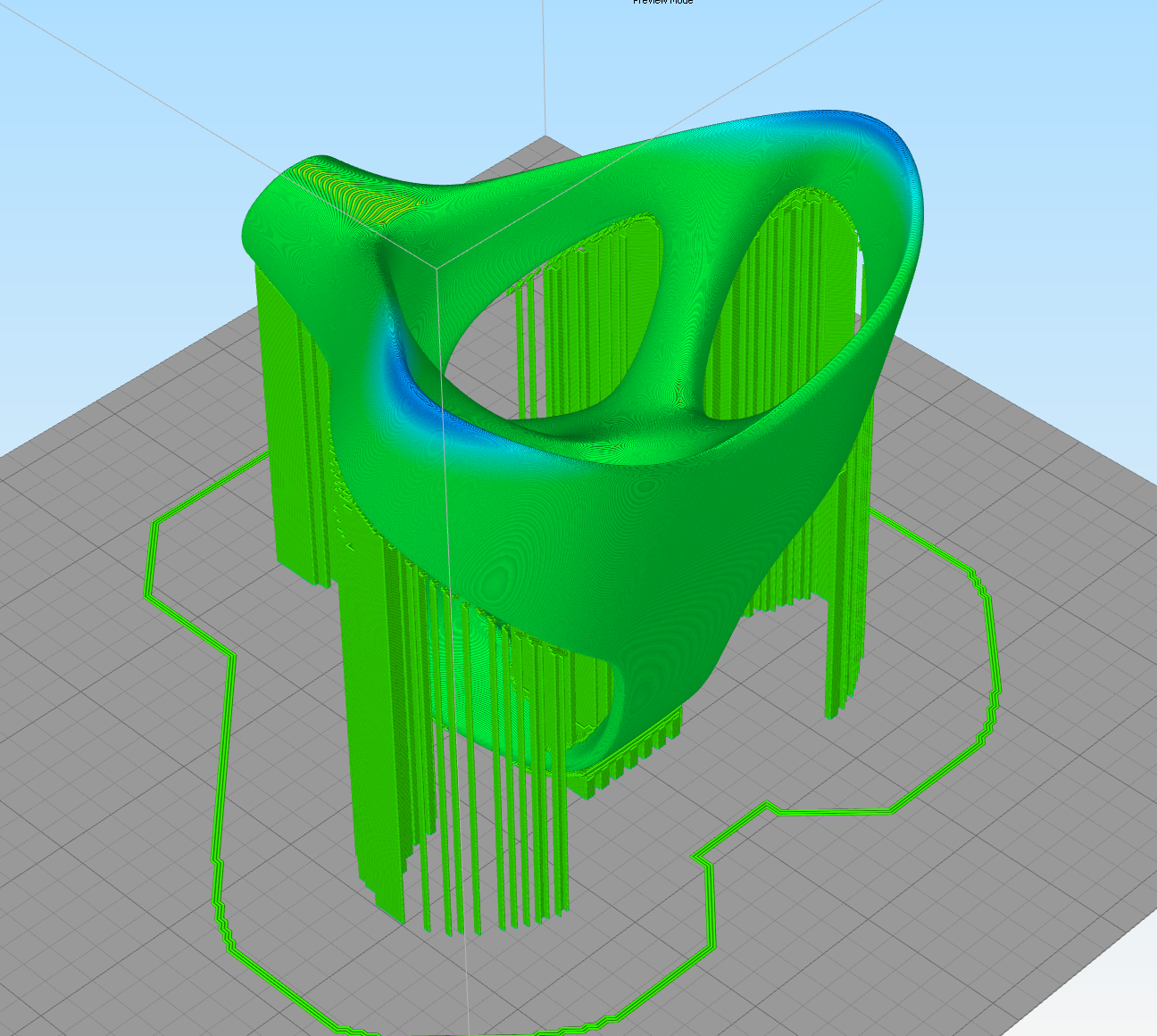
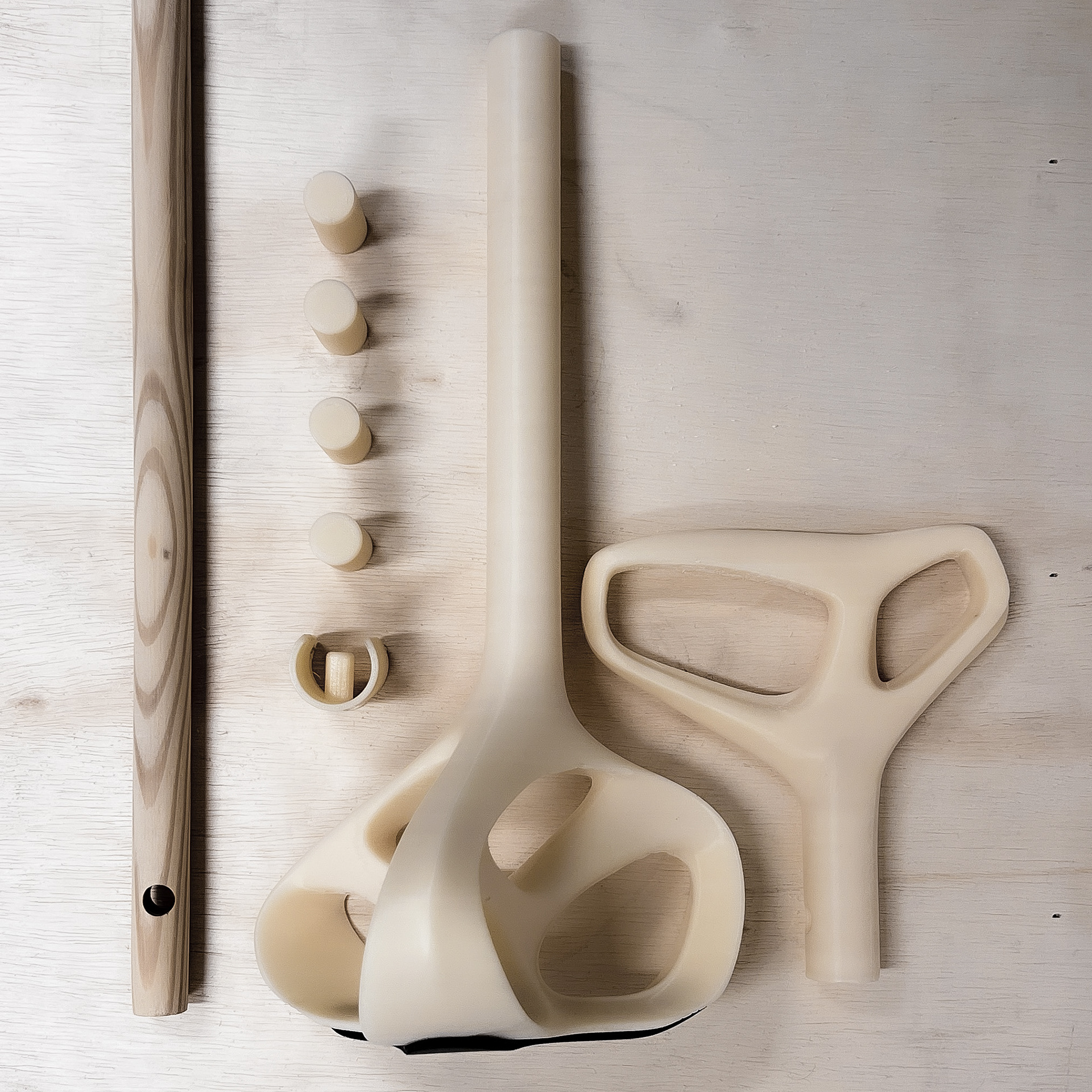
The design approach as a language has been much explored in the field of project proposals, mainly in the context of the value perception and behavior of people who coexist in a stigmatized social scenario. Therefore, the main objective of this dissertation was to discuss the relationship between bio-inspired design and value perception in the context of social stigmas intrinsic to the universe of assistive technologies. In theoretical discussion and through an applied study, it was possible to elucidate a little more about how this happens and how this group of people suffers the consequences of social stigma. As a theoretical basis, discussions about the social meaning of objects and their relationship with social stigmas were listed, as well as the relationship of these stigmas with the universe of assistive technologies. In addition, some discussions on the approach of bio-inspired design and its possible connections with the theme of value perception of consumer goods were also elaborated. With the intention of investigating the practical discussions consequences, an applied study was carried out that involved the development of a bio-inspired assistive technology, in this case, a cane manufactured through 3D printing. Finally, an analysis was carried out, through the application of semi-structured questionnaires, with patients and health professionals from the Ambulatório Ciências Médicas, located at the Faculdade de Ciências Médicas de Minas Gerais. The patients in question are part of the population of people affected by stroke and are mostly elderly. As a result of research and in response to its objectives, evidence was observed that, when aware of the use of the bio-inspired design on the cane, patients were more comfortable with the use of the object. Meanwhile, for those unaware of bioinspiration, greater resistance to use and a reinforcement of their social stigmas were observed. This work is part of the research project Design and Inclusion: development of inclusive assistive technologies. FAPEMIG Notice No. 001/2021 — UNIVERSAL DEMAND.
Bioinspiration
Sketching
3D scan and modeling
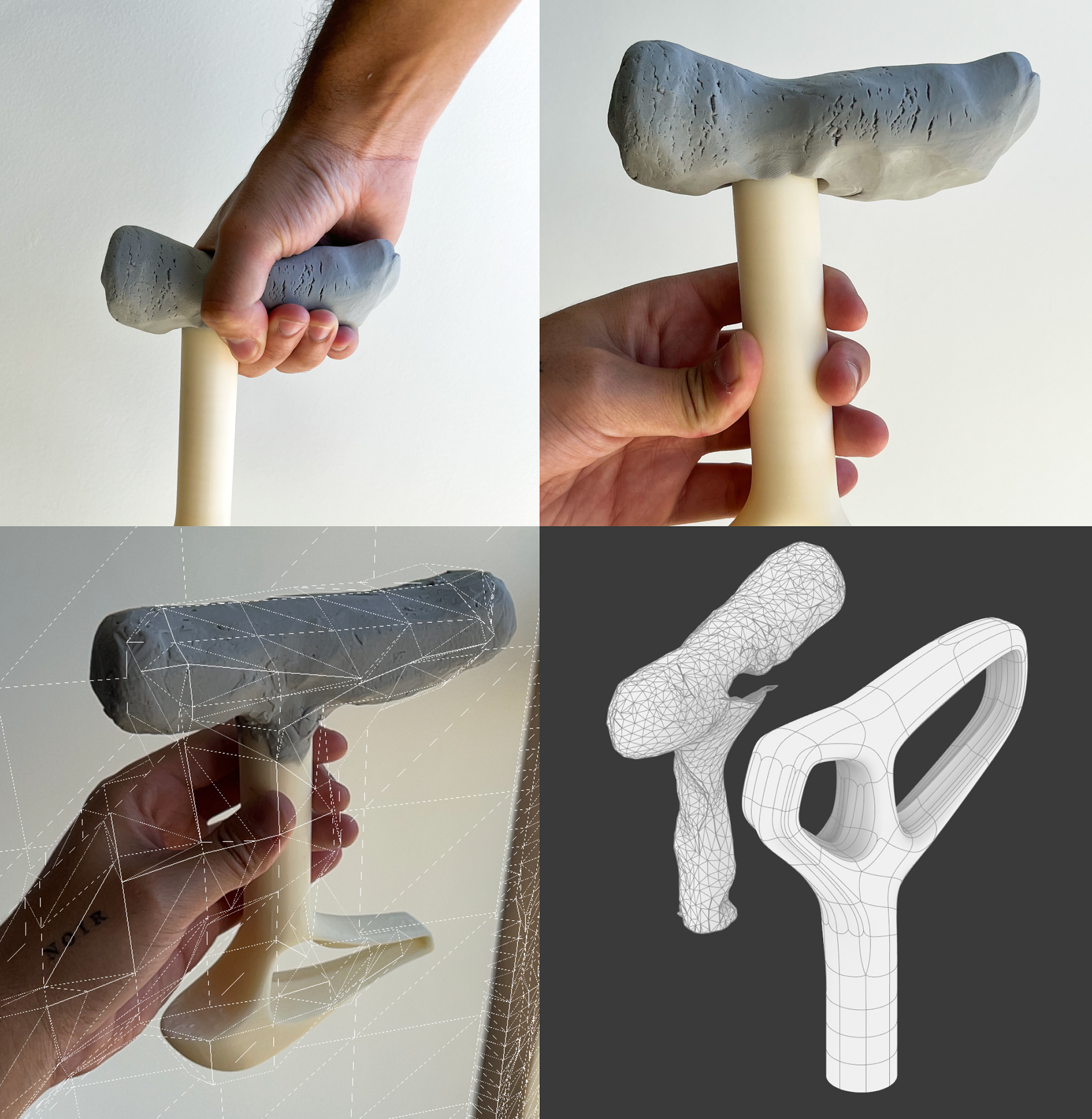
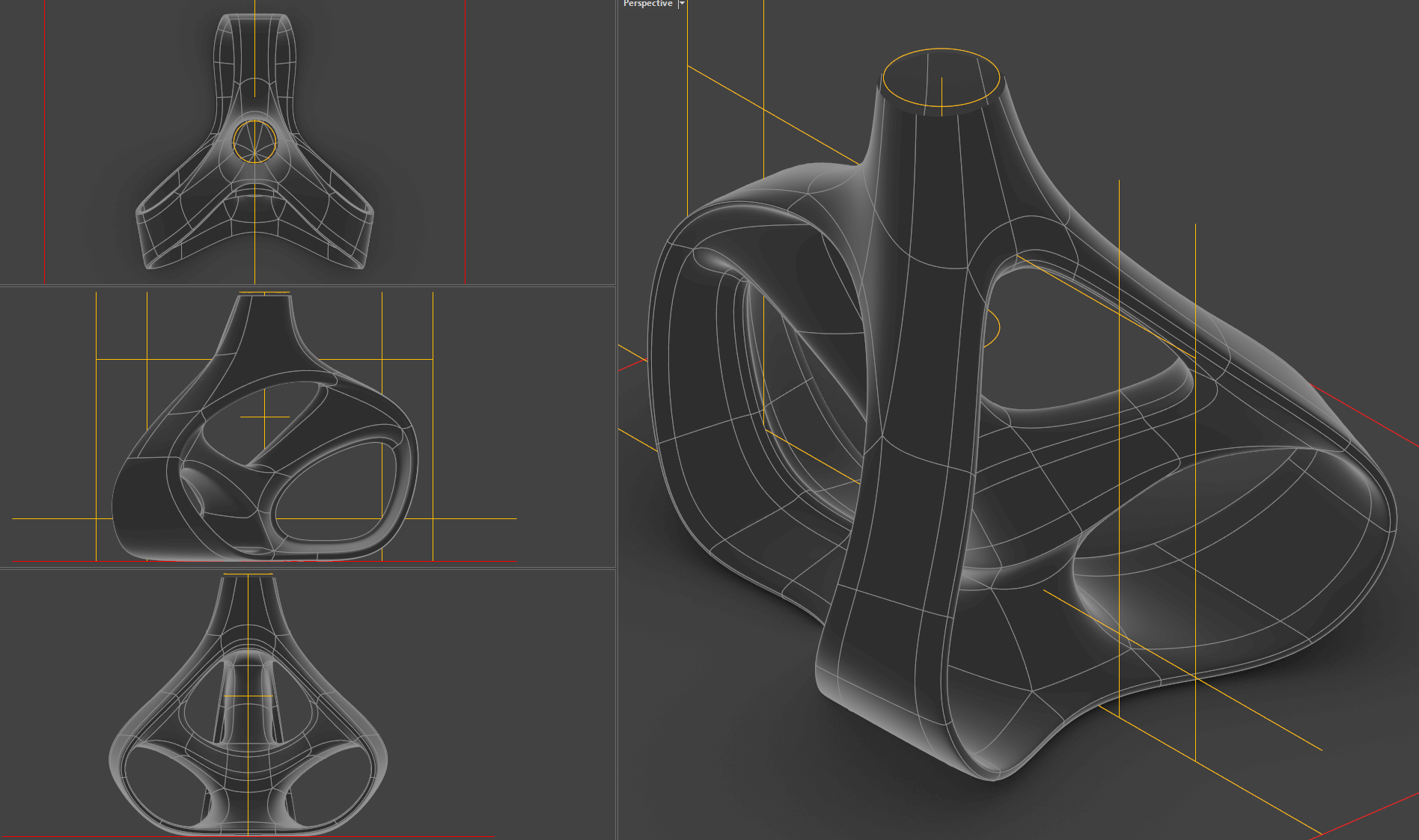
Prototyping
Role
Industrial Designer and Researcher
Responsibilities included:
• Research design and execution
• Bio-inspired analysis and abstraction
• Product design and prototyping
• User testing and validation
• Documentation and academic writing
• Research design and execution
• Bio-inspired analysis and abstraction
• Product design and prototyping
• User testing and validation
• Documentation and academic writing
Credits
Master's supervisor: Prof. Dr. Anderson Horta
Escola de Design da Universidade do Estado de Minas Gerais. Belo Horizonte, Brazil.
Conclusion: 2023
Research Group: Design e Representações Sociais
Funding: Fundação de Amparo à Pesquisa do Estado de Minas Gerais (FAPEMIG)
Support: Ambulatório Ciências Médicas da Faculdade de Ciências Médicas