Conceptual Framework
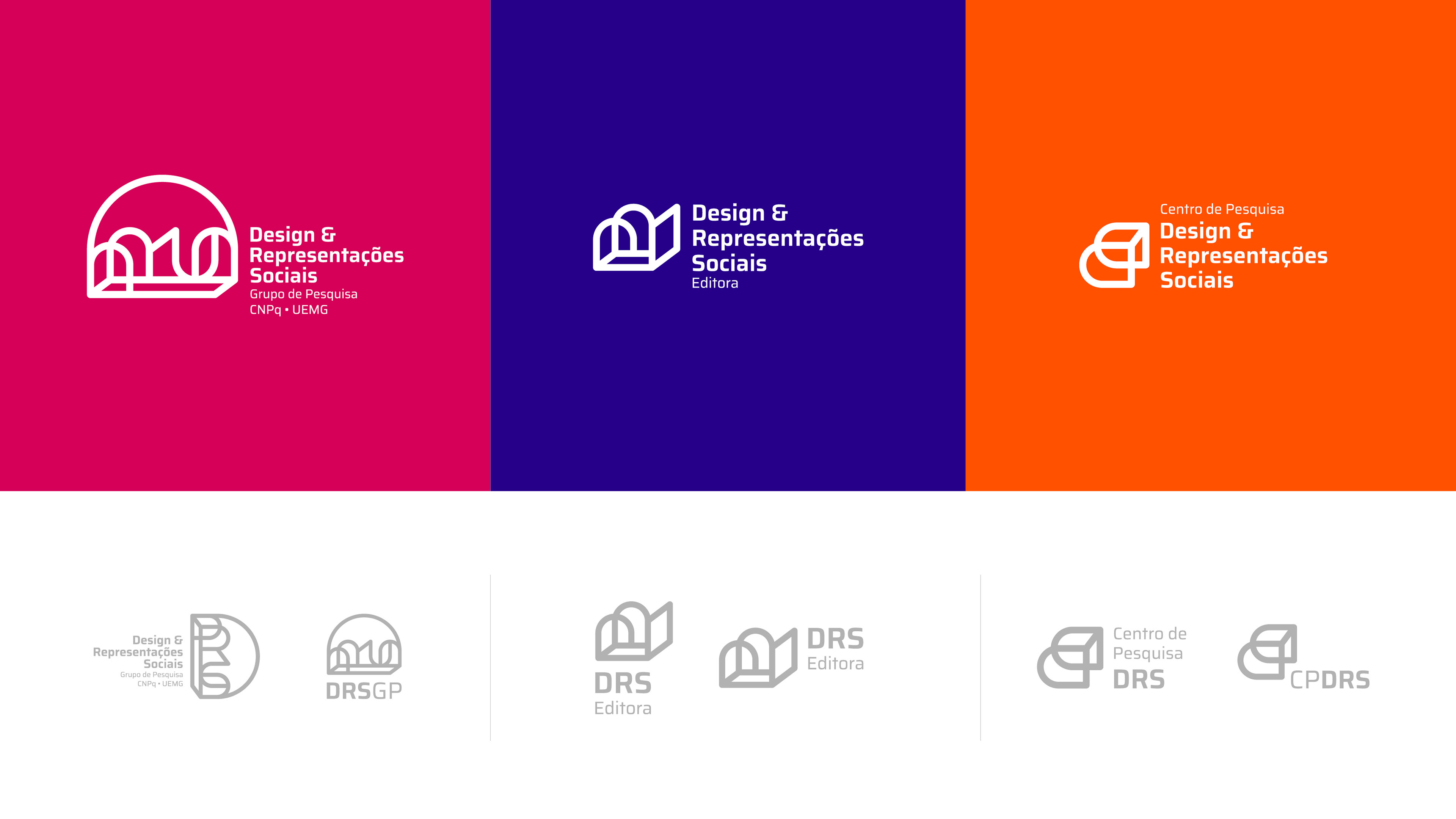
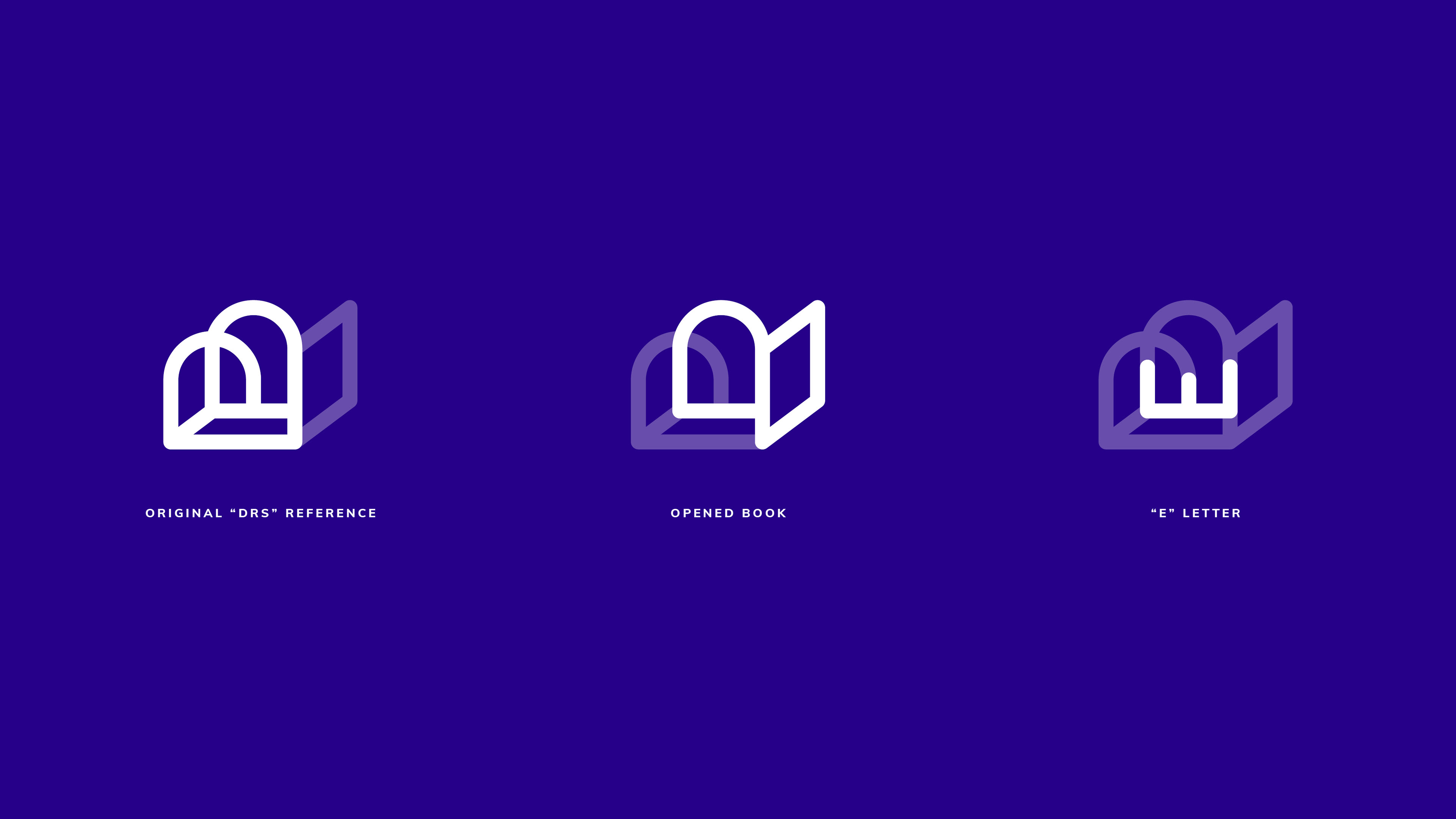
Visual identity system developed for the Design and Social Representations Research Group (DRS), an academic research group dedicated to investigating design as a social, cultural and representational practice. Rather than a single static logo, the project was conceived as a system of identities, capable of generating multiple derived marks while preserving conceptual and structural coherence.
The identity is grounded in Social Representations Theory, which understands meaning as constructed, shared and transformed through social interaction. The existence of derived marks reflects the understanding that representation is contextual, plural, and dynamic.
Design and Social Representations Research Group
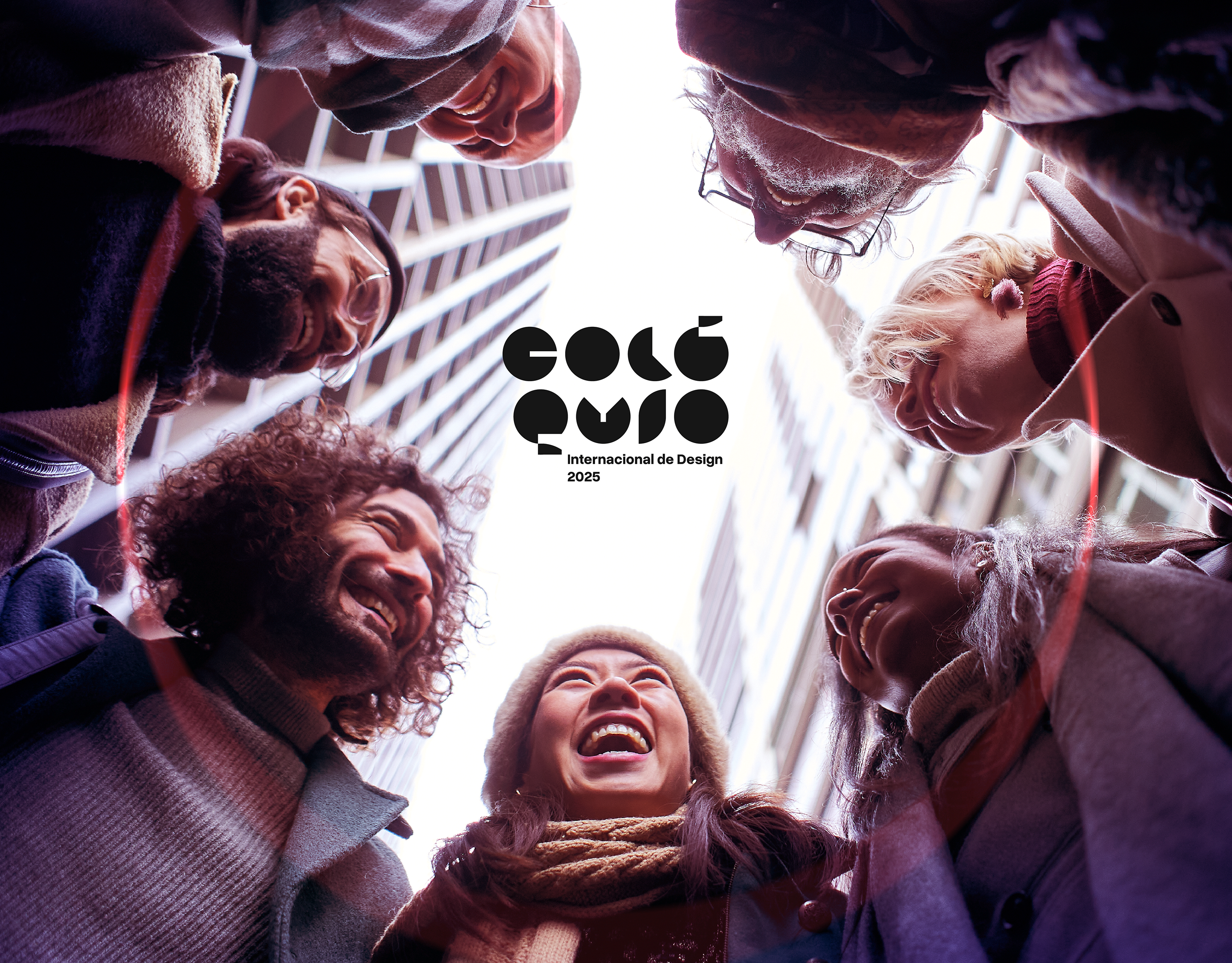
The research group was created to promote innovative discussions about the role of design in contemporary society. We hold the International Design Colloquium every two years and develop projects that cover a variety of areas, with a special affinity for those working at the interface with education.
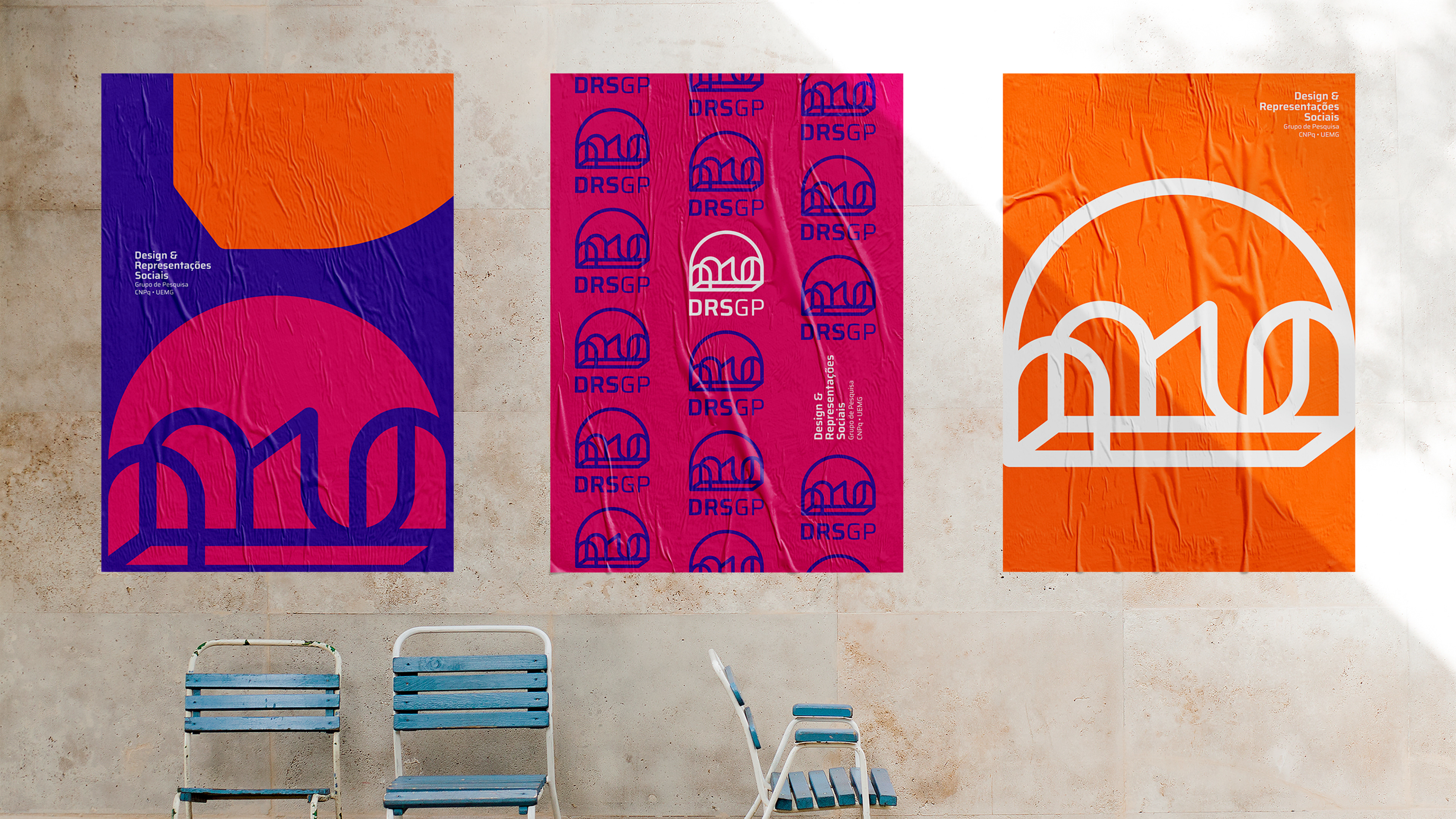
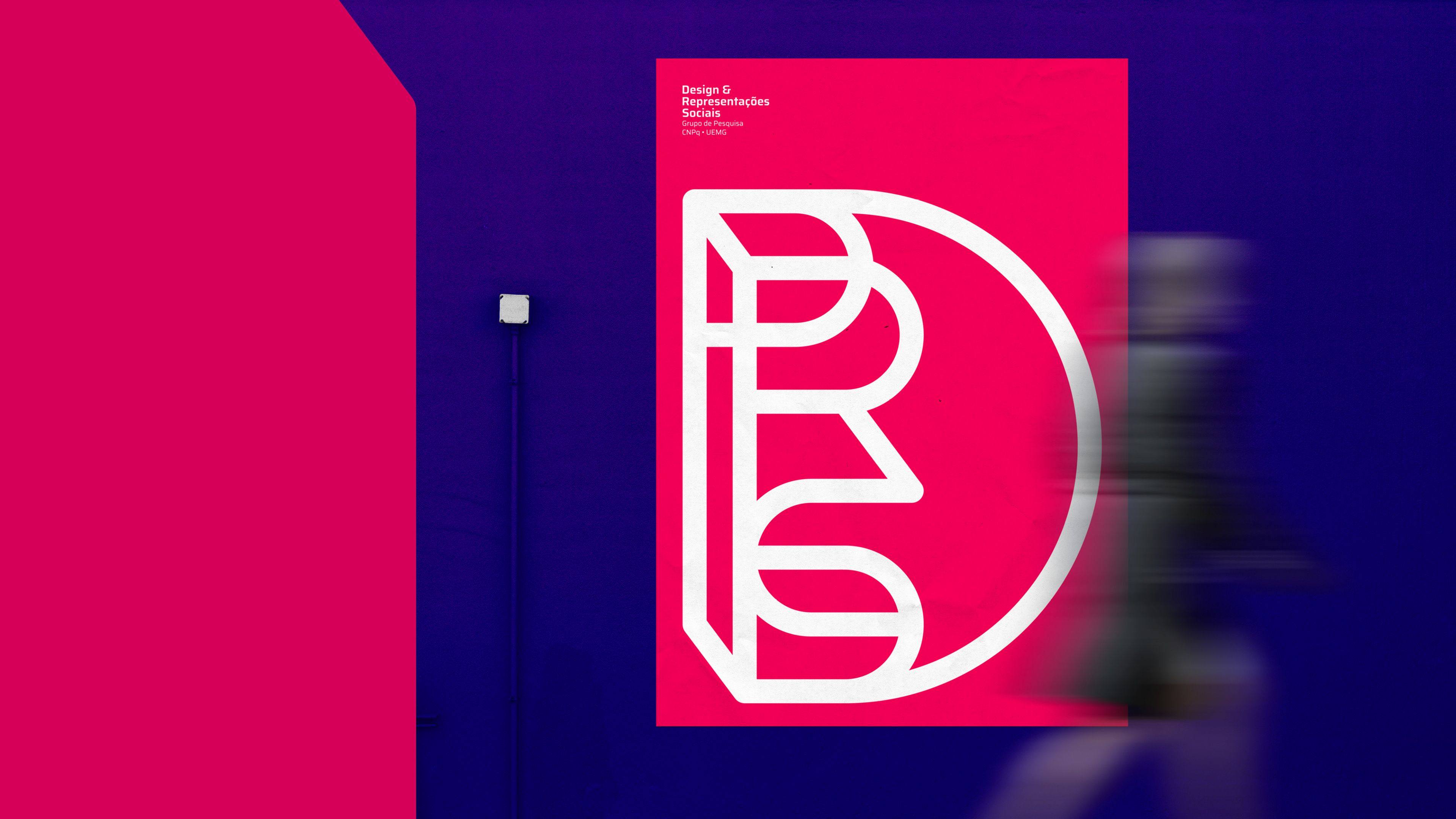
The main idea behind this logo is to give meaning to the combination of different ideas in a common environment. In this way, different points of view and ways of thinking come together and give strength to the research group. This concept is represented graphically through the integration of the initials (DRS) and the three-dimensionality given to the icon. In addition, the logo of the research center is a substrate of the group. In this way, the general identity is established and allows for future developments.
The graphic style is based on the synthesis of Art Deco: a style very present in the architecture of Belo Horizonte and which makes up the identity of the capital.
The color choice is summarized in the combination of four vibrant colors that generate contrast between each other, but complement each other, just like the research group.




Design Challenge
The main challenge was to create a visual system that:
• Represents theoretical concepts through graphic structure
• Allows the generation of derived identities without loss of coherence
• Balances institutional recognition with conceptual openness
• Supports long-term use across different research contexts
• Represents theoretical concepts through graphic structure
• Allows the generation of derived identities without loss of coherence
• Balances institutional recognition with conceptual openness
• Supports long-term use across different research contexts
Applications
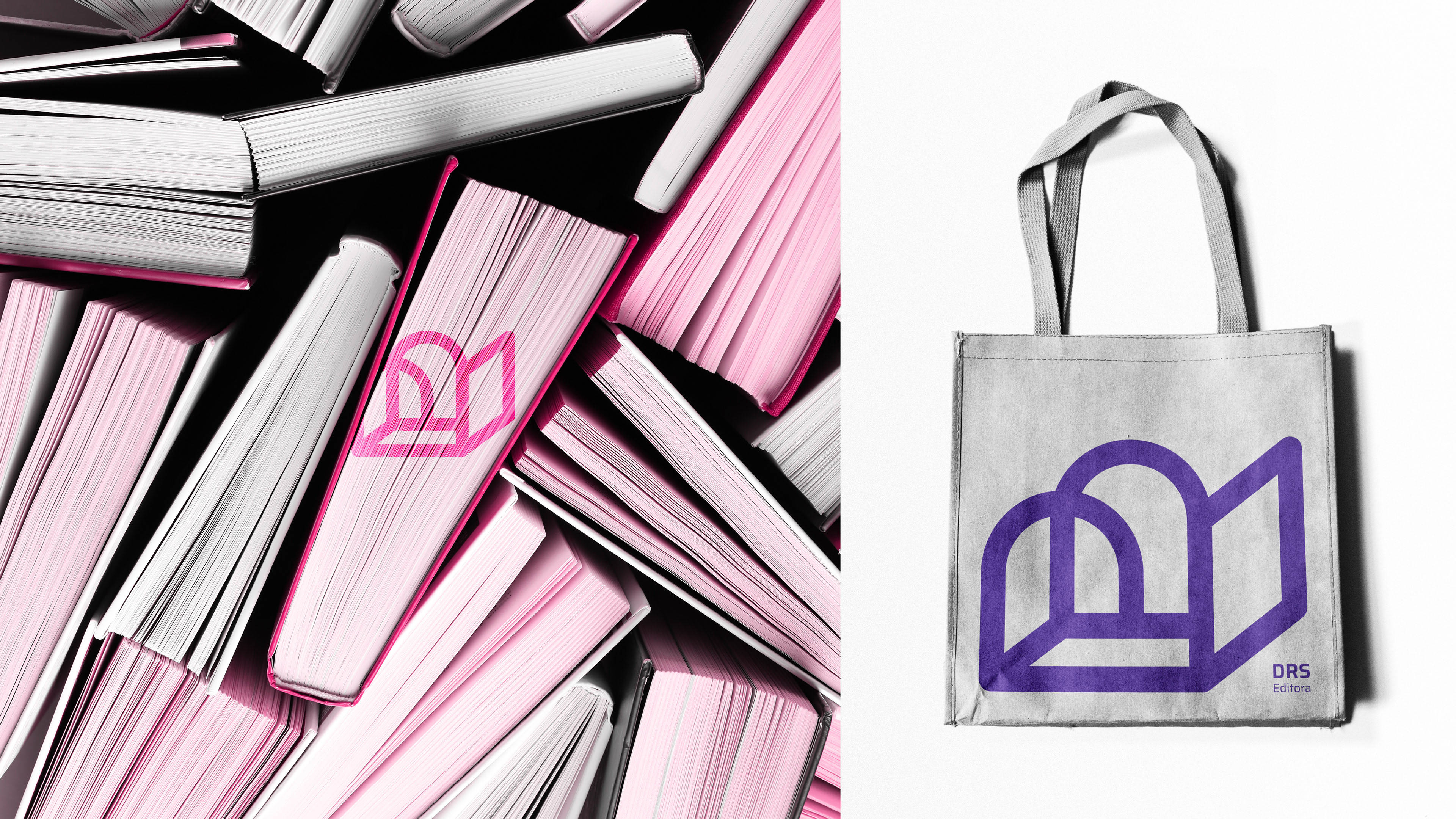
The identity system was applied across:
• Research group communication materials
• Academic publications
• Events and exhibitions
• Educational and outreach materials
• Research group communication materials
• Academic publications
• Events and exhibitions
• Educational and outreach materials
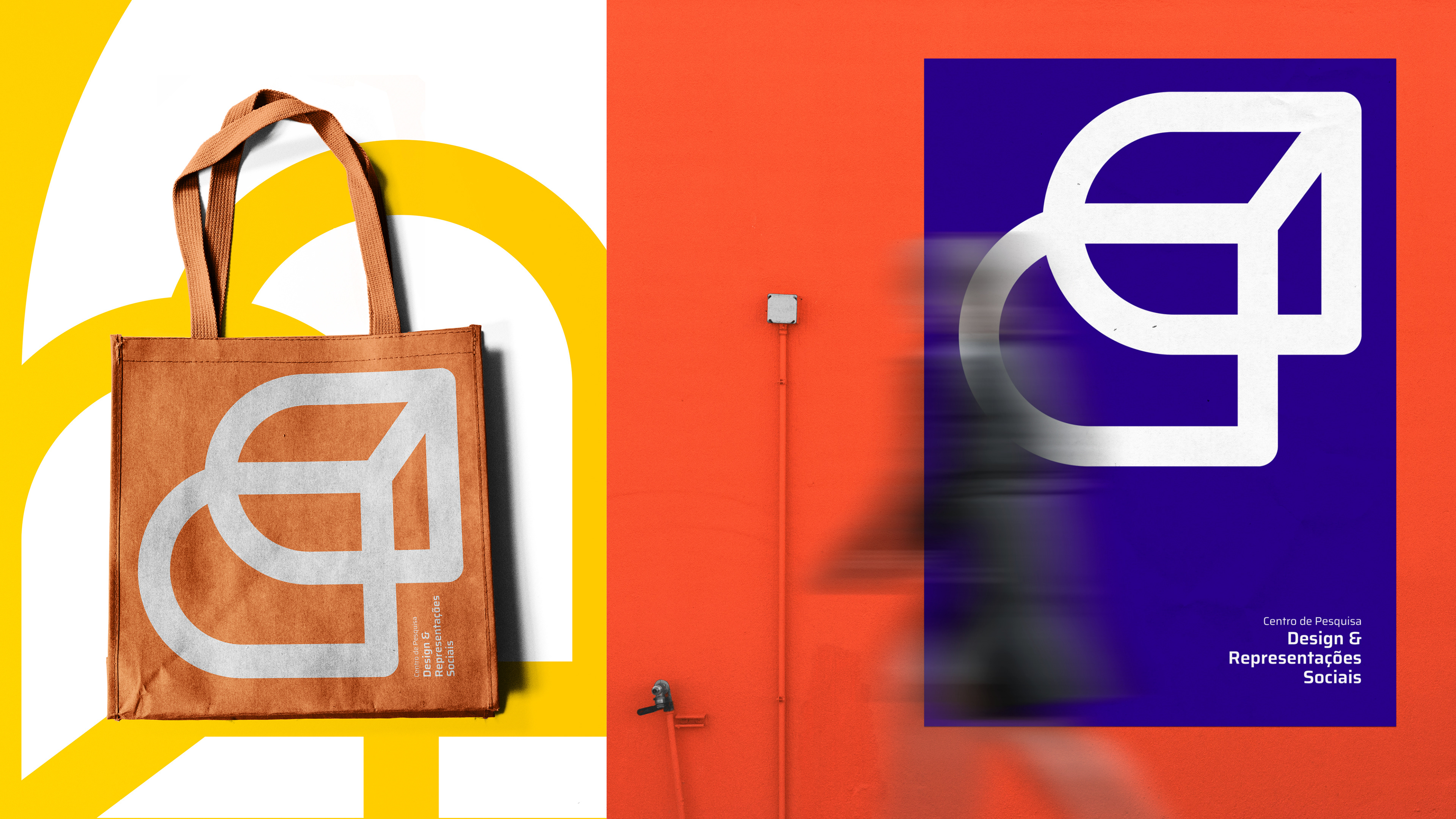
Including multiple derived identities aligned with specific initiatives.



Outcome
• Concept-driven visual identity system developed
• Multiple derived marks generated from a single structural logic
• Identity adopted as the official representation of the research group
• Multiple derived marks generated from a single structural logic
• Identity adopted as the official representation of the research group
Role
Designer
Responsibilities included:
• Conceptual development based on social representation theory
• Visual system design
• Definition of generative rules
• Application across academic and institutional materials
• Conceptual development based on social representation theory
• Visual system design
• Definition of generative rules
• Application across academic and institutional materials