Conceptual Framework
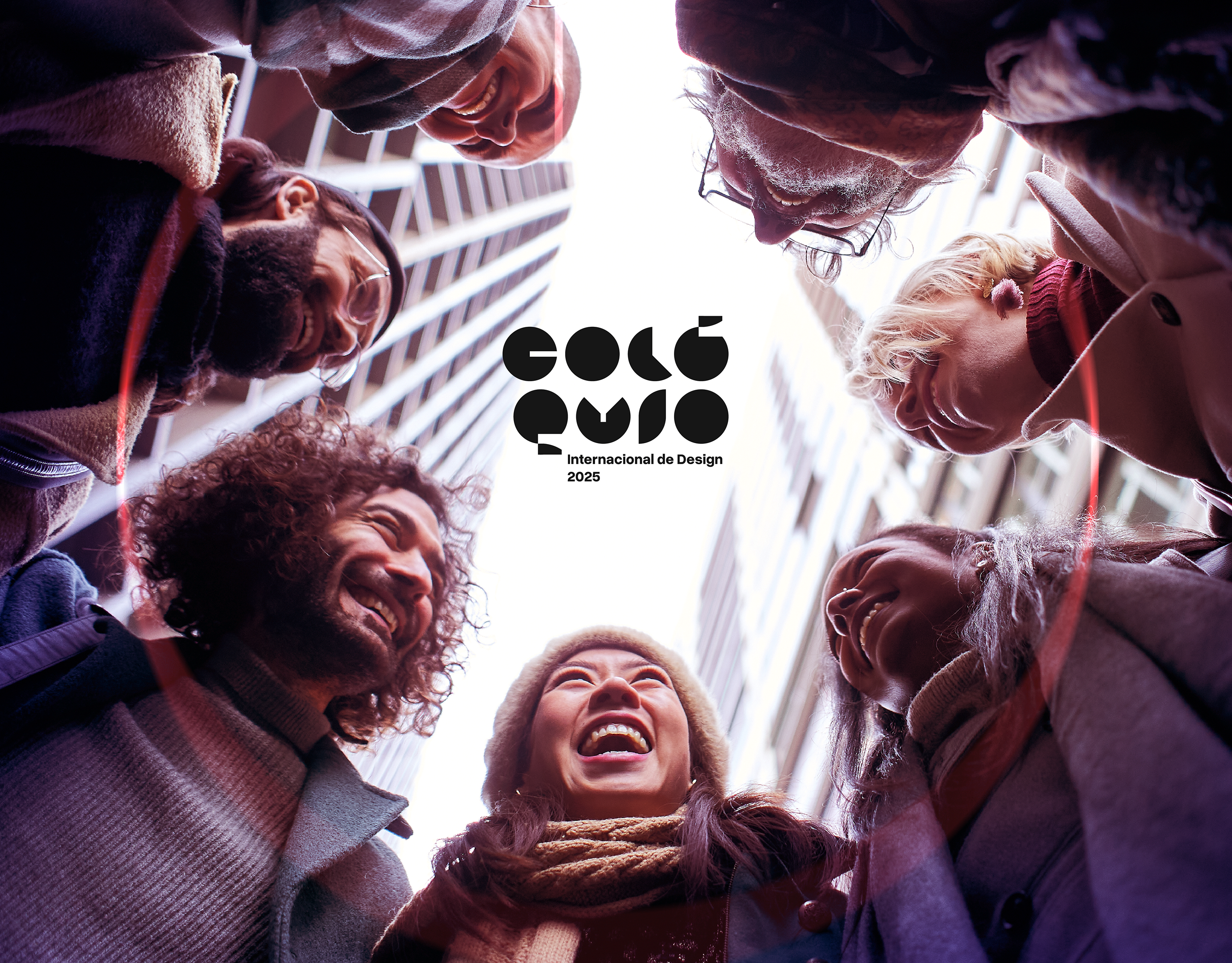
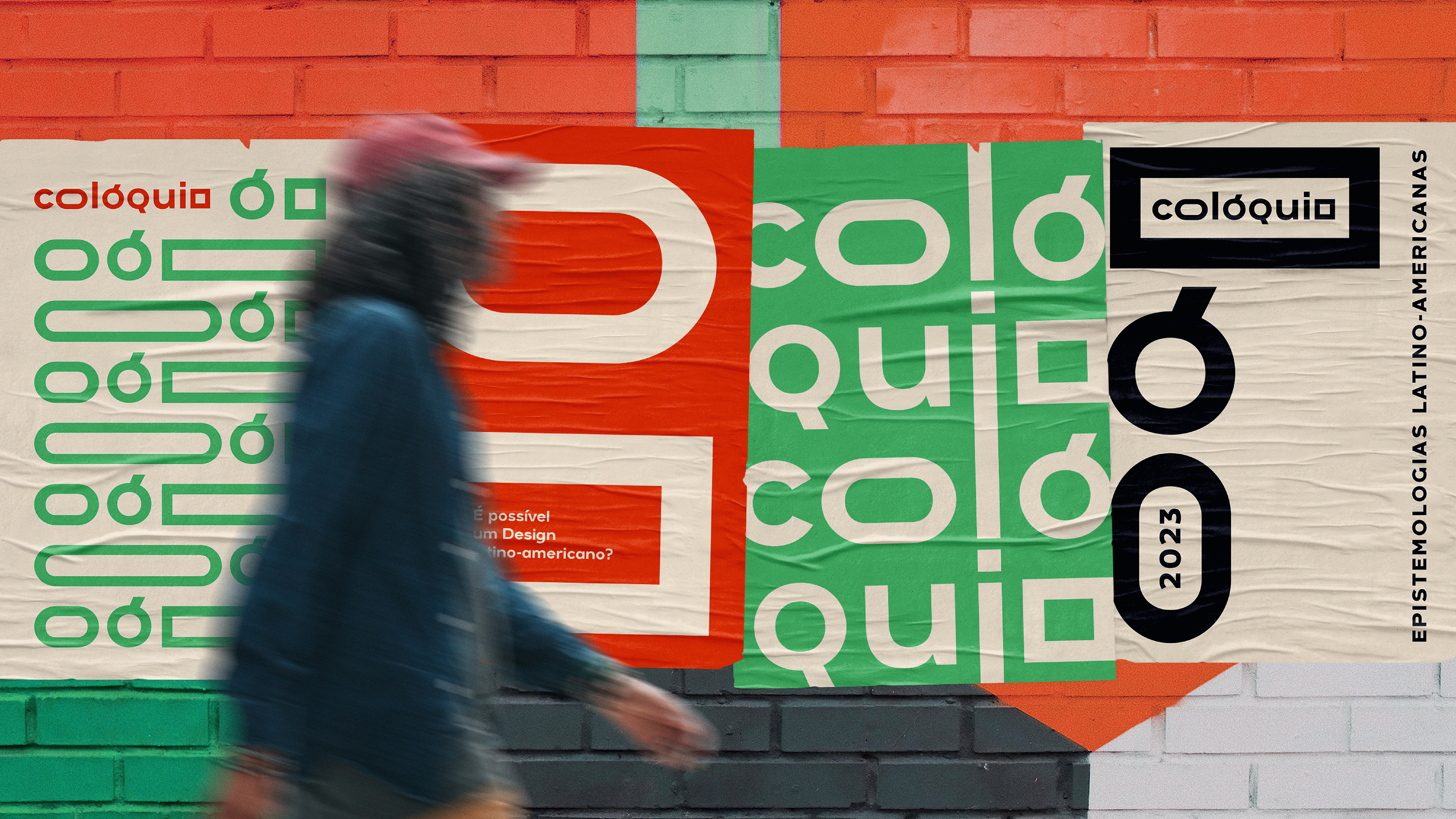
Visual identity developed for the thematic axis “Is Latin American Design Possible?” within the International Design Colloquium 2023. The project explores graphic design as a means of expressing cultural plurality, critical positioning and regional identity within an international academic context.
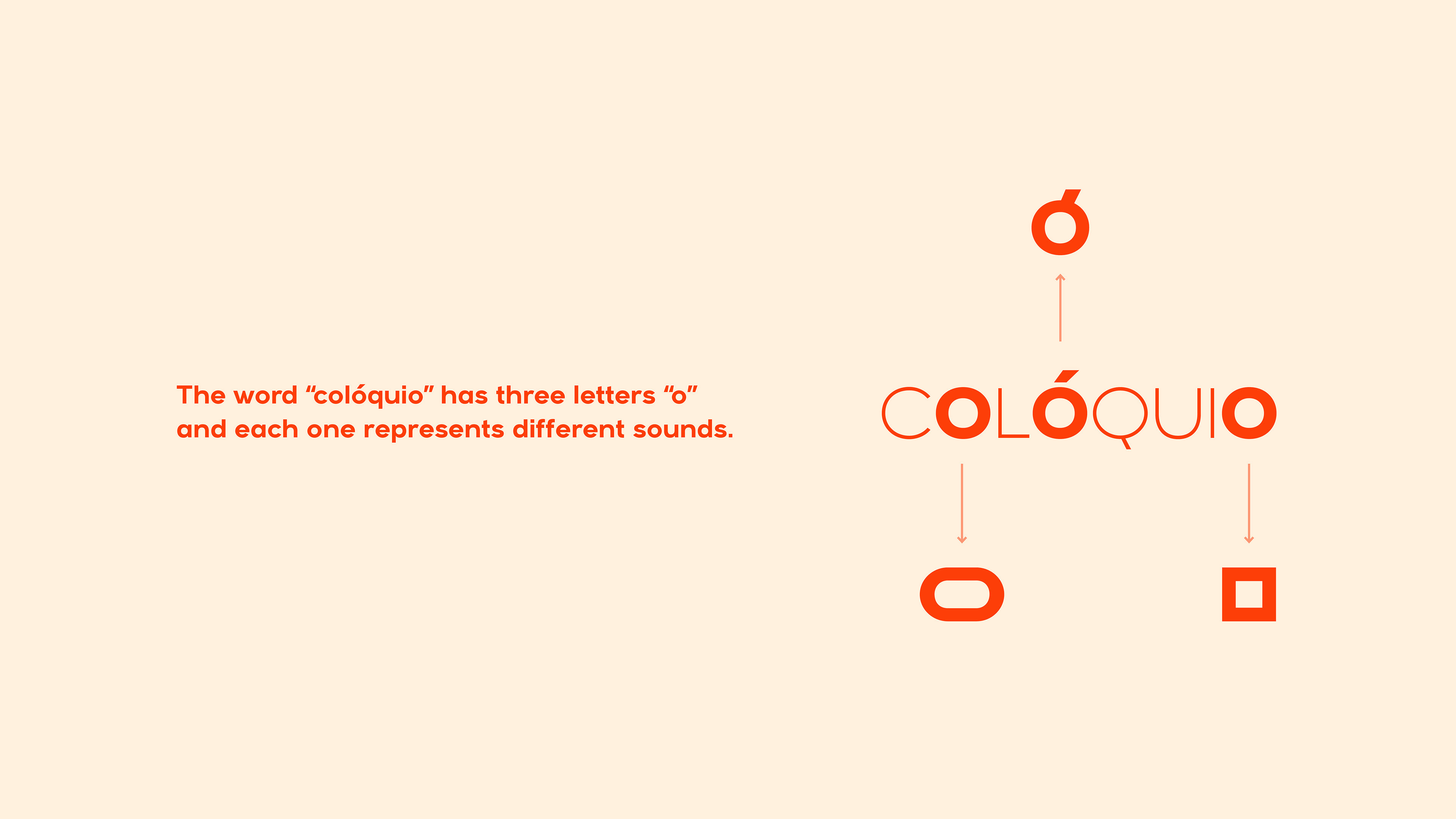
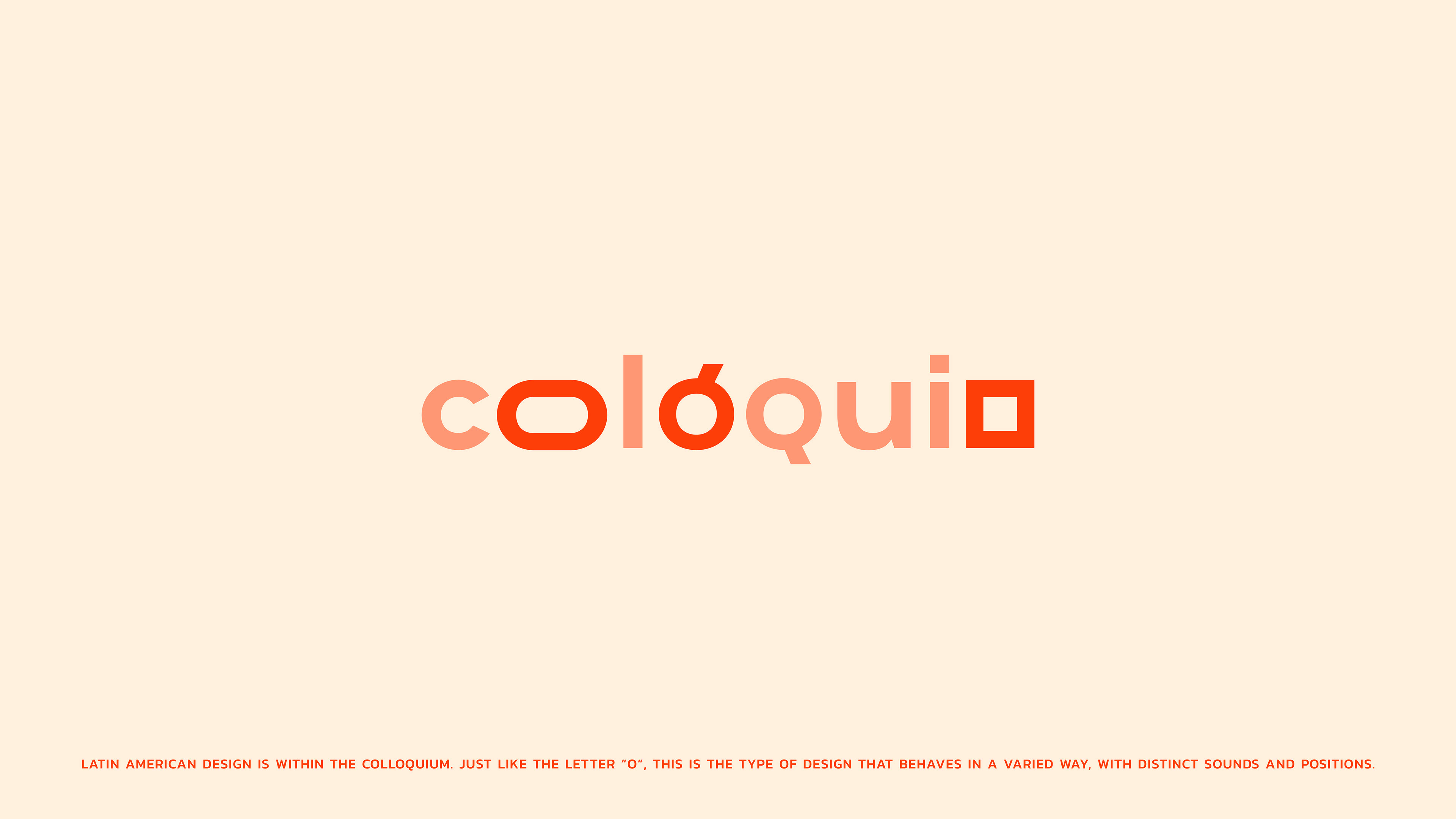
The identity is grounded on the understanding of Latin American design as a field of possibility rather than a fixed definition. Rather than seeking a single visual or conceptual language, the project embraces diversity, contradiction, and coexistence as central values. The graphic system reflects the idea that Latin American design emerges from multiple social, cultural and political contexts, resisting simplification or homogenization.
Is Latin American Design possible?
International Design Colloquium: Latin American Epistemologies
A colloquium is an exchange of thoughts aimed at providing clarification and enlightenment. The aim is to bring out of the shadows issues that are latent in Design, but that rarely come to light. The theme of our event, which has been taking place since 2011, is precisely to discuss “Latin American Epistemologies”, trying to identify possible paths for the recognition of Latin American identity. We have noticed the hegemony of the countries of the North in the production processes and, mainly, in the thinking that constitutes teaching, production and research in Design. To this end, we call on researchers from all over Latin America to discuss: is Latin American Design possible?
The event is aimed at professors, researchers, students in postgraduate, master's and doctoral programs, as well as undergraduate students and professionals in the field. Each year we have a greater number of participants, who come from the most diverse regions of the country and Latin America. The last edition in 2020, due to the Covid-19 pandemic, took place online with 900 registrants from different institutions.



Design Challenge
The main challenge was to create a visual identity that:
• Communicates cultural plurality without relying on clichés
• Supports critical discourse rather than visual neutrality
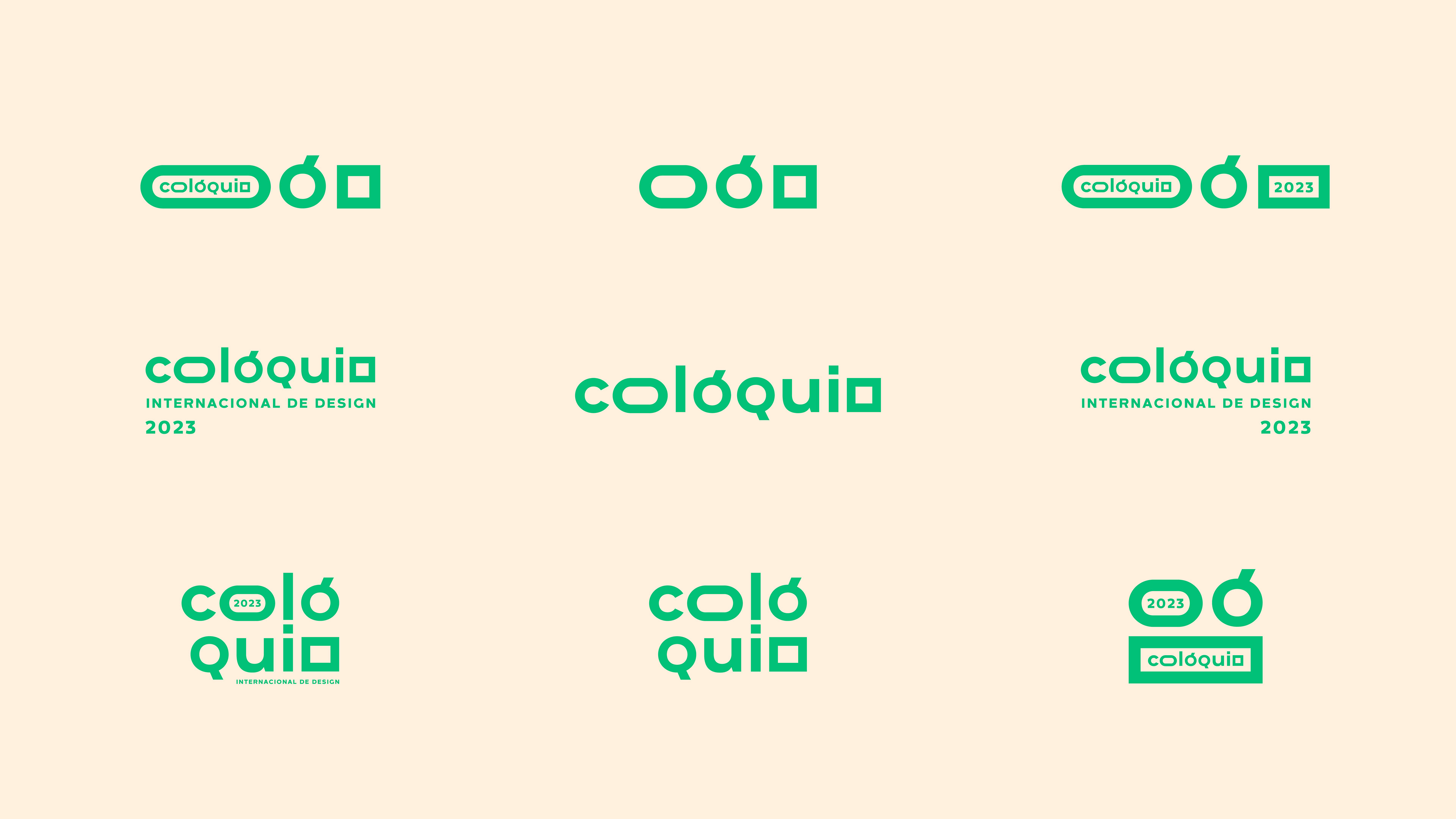
• Balances expressive freedom with structural consistency
• Operates across diverse media and formats
• Communicates cultural plurality without relying on clichés
• Supports critical discourse rather than visual neutrality
• Balances expressive freedom with structural consistency
• Operates across diverse media and formats
Design Approach
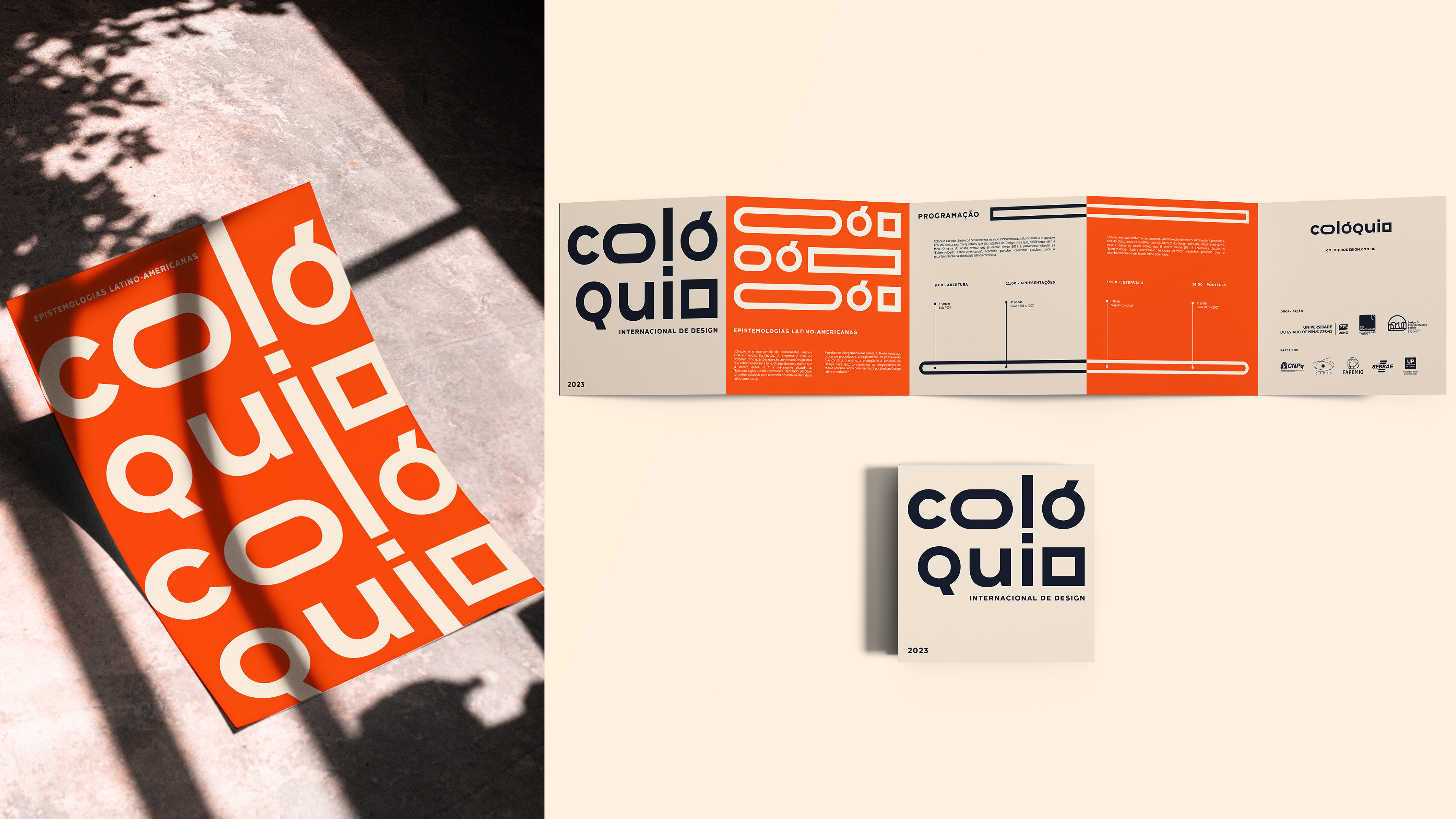
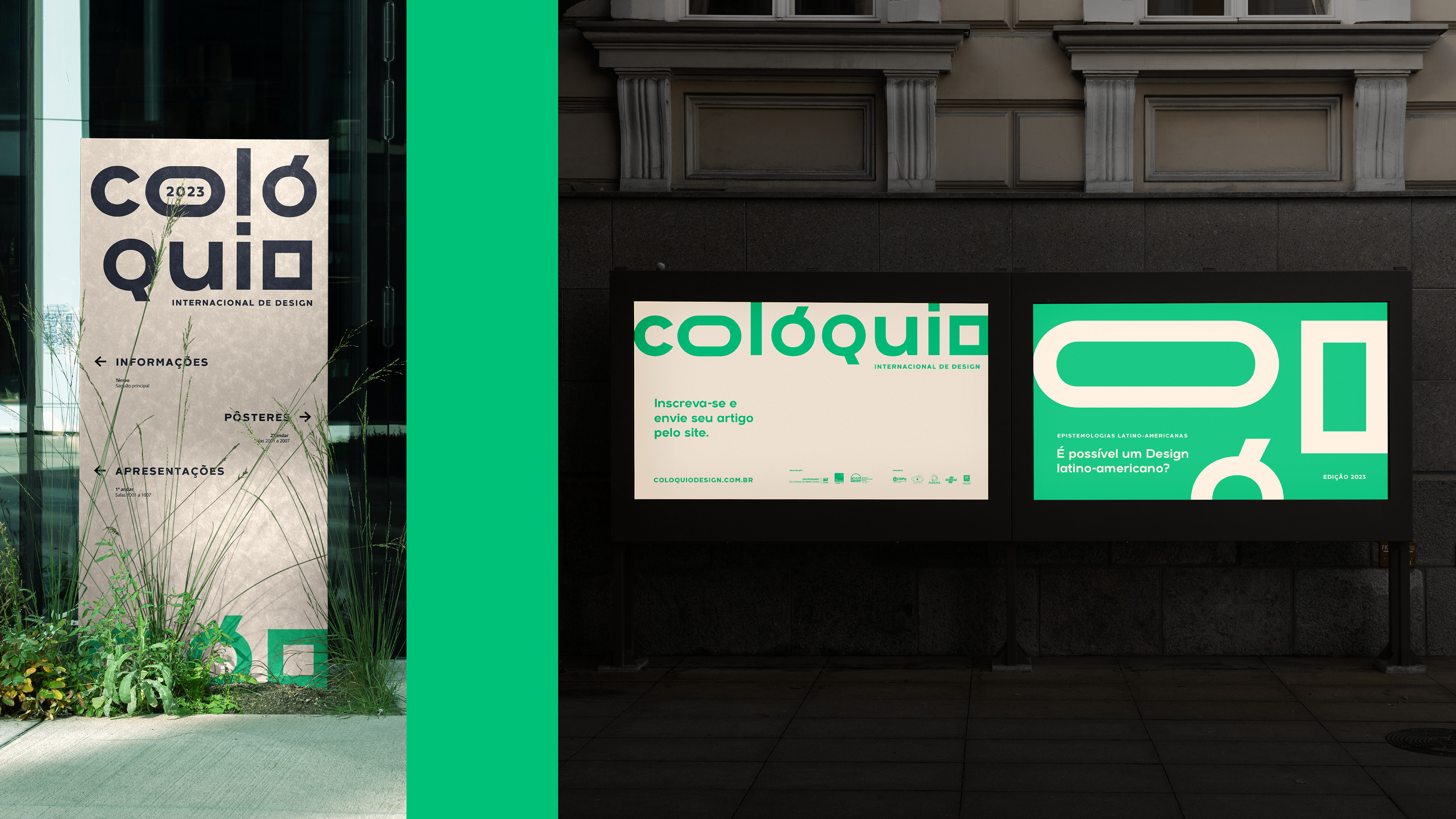
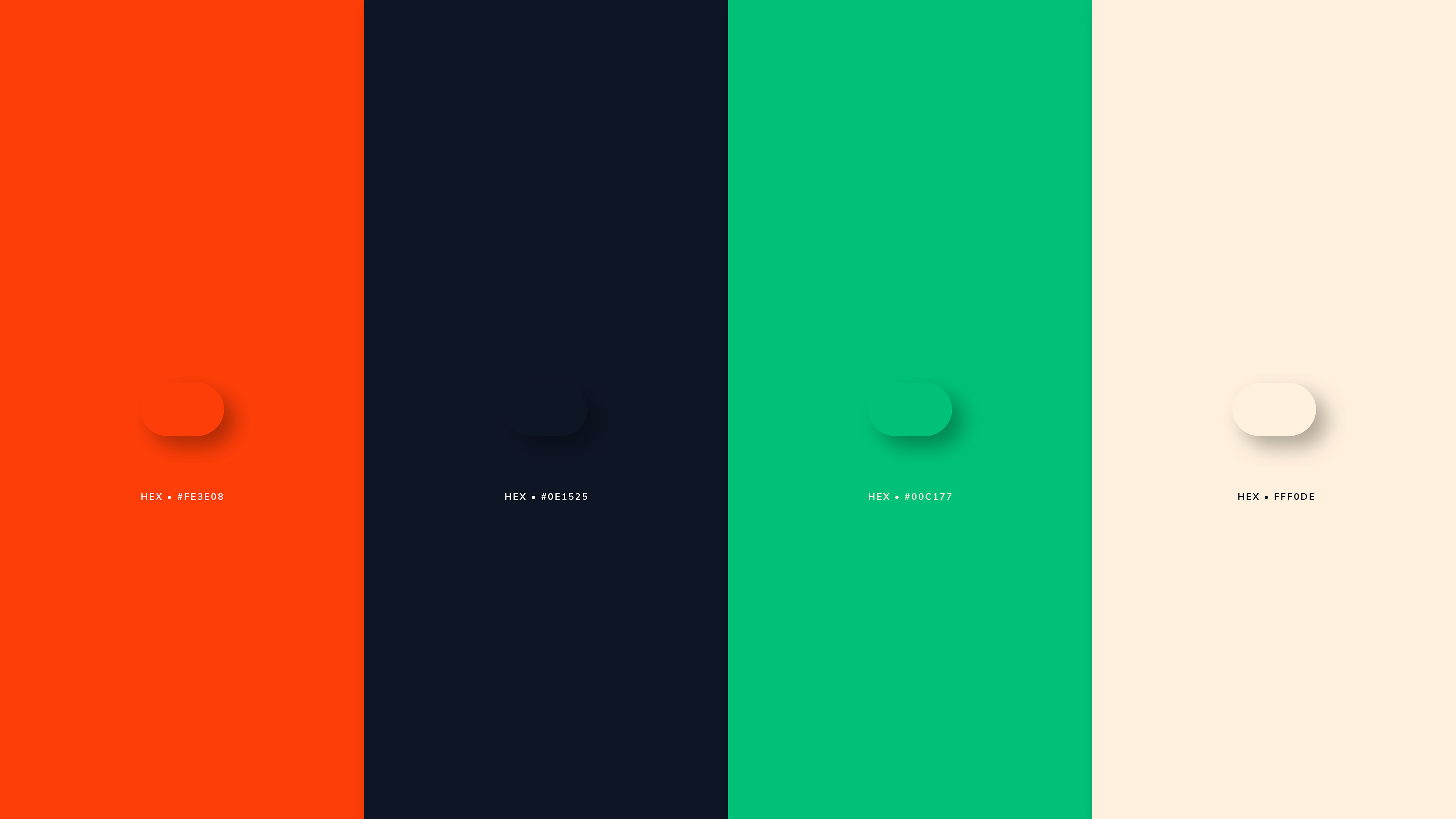
The graphic system was developed through bold typographic compositions, strong color contrasts and modular arrangements. Variation was treated as a core feature of the system, allowing each application to express difference while remaining part of a coherent visual language. Typography and composition function as discursive tools, reinforcing the project’s critical and cultural positioning.
Applications
The identity was applied across:
• Event signage
• Printed materials
• Editorial pieces
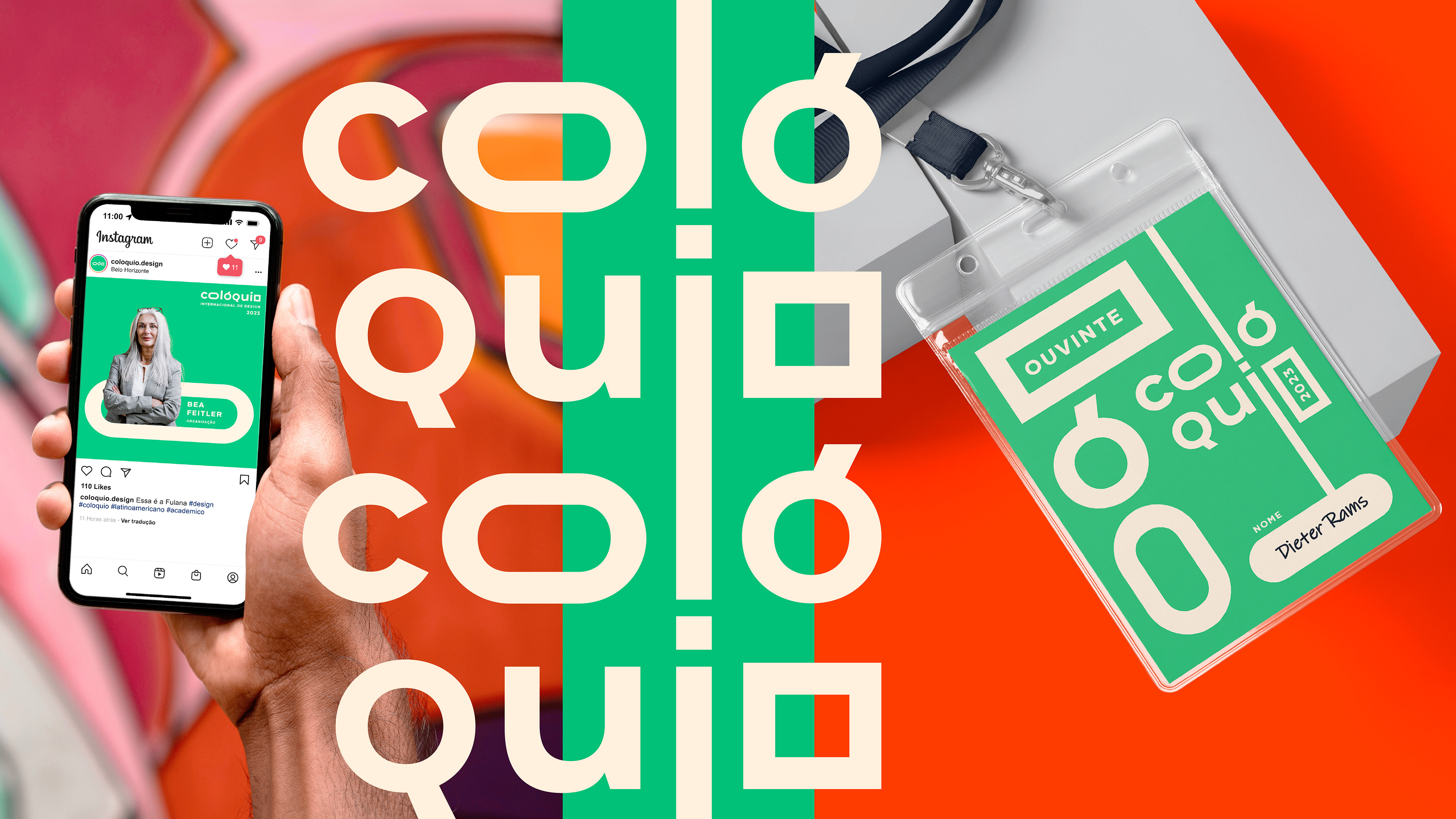
• Digital communication
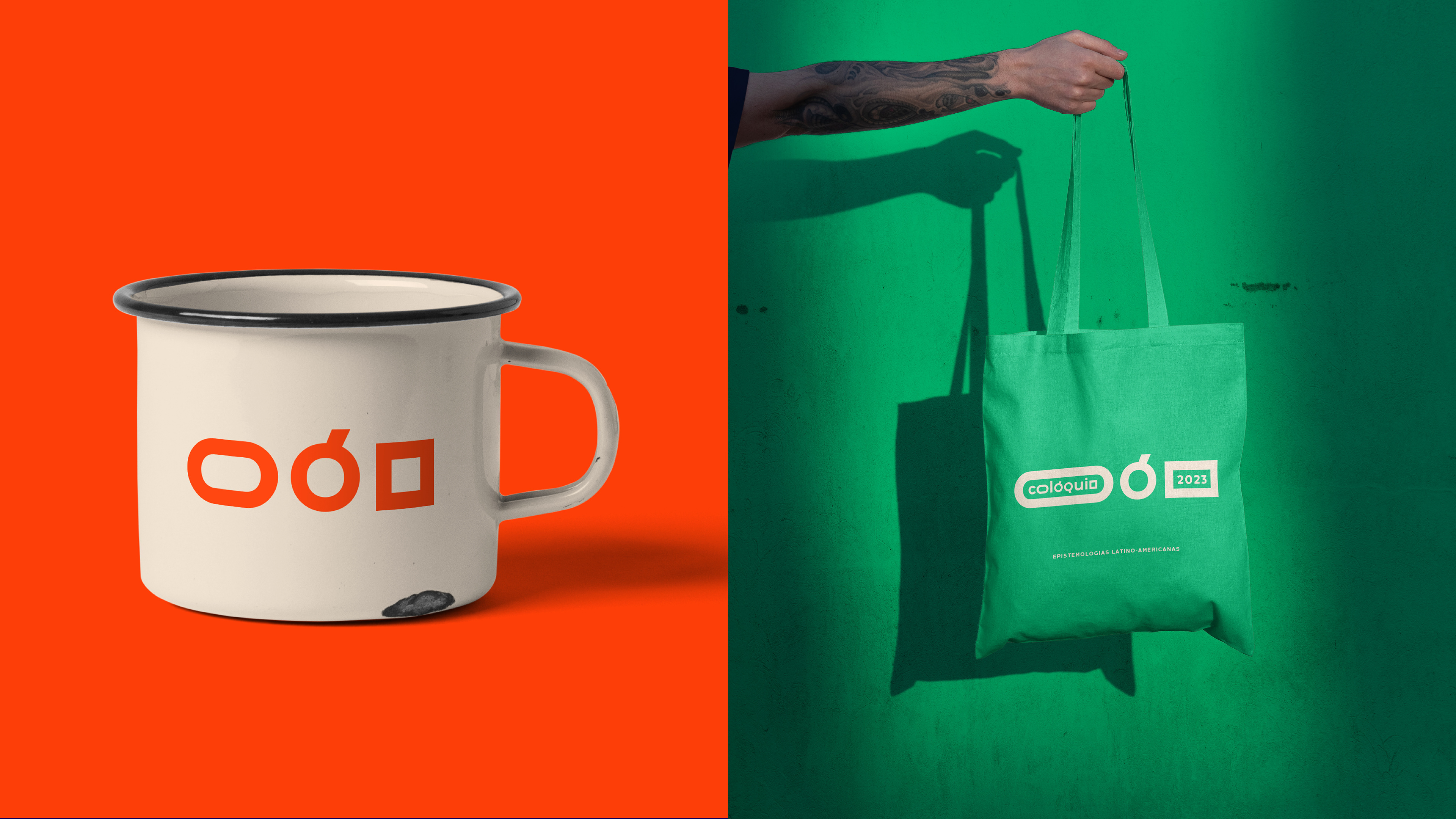
• Promotional objects and merchandise
• Event signage
• Printed materials
• Editorial pieces
• Digital communication
• Promotional objects and merchandise


Outcome
• Concept-driven visual identity developed
• Successful application across multiple media
• Identity supported critical discussion and cultural representation
• Successful application across multiple media
• Identity supported critical discussion and cultural representation
Role
Designer
Responsibilities included:
• Concept development
• Visual identity design
• Graphic system definition
• Application across multiple media
• Concept development
• Visual identity design
• Graphic system definition
• Application across multiple media
Credits
Designer: Pedro Damas
Organization: Design and Social Representations Research Group
Realization: Escola de Design da Universidade do Estado de Minas Gerais