Conceptual Framework
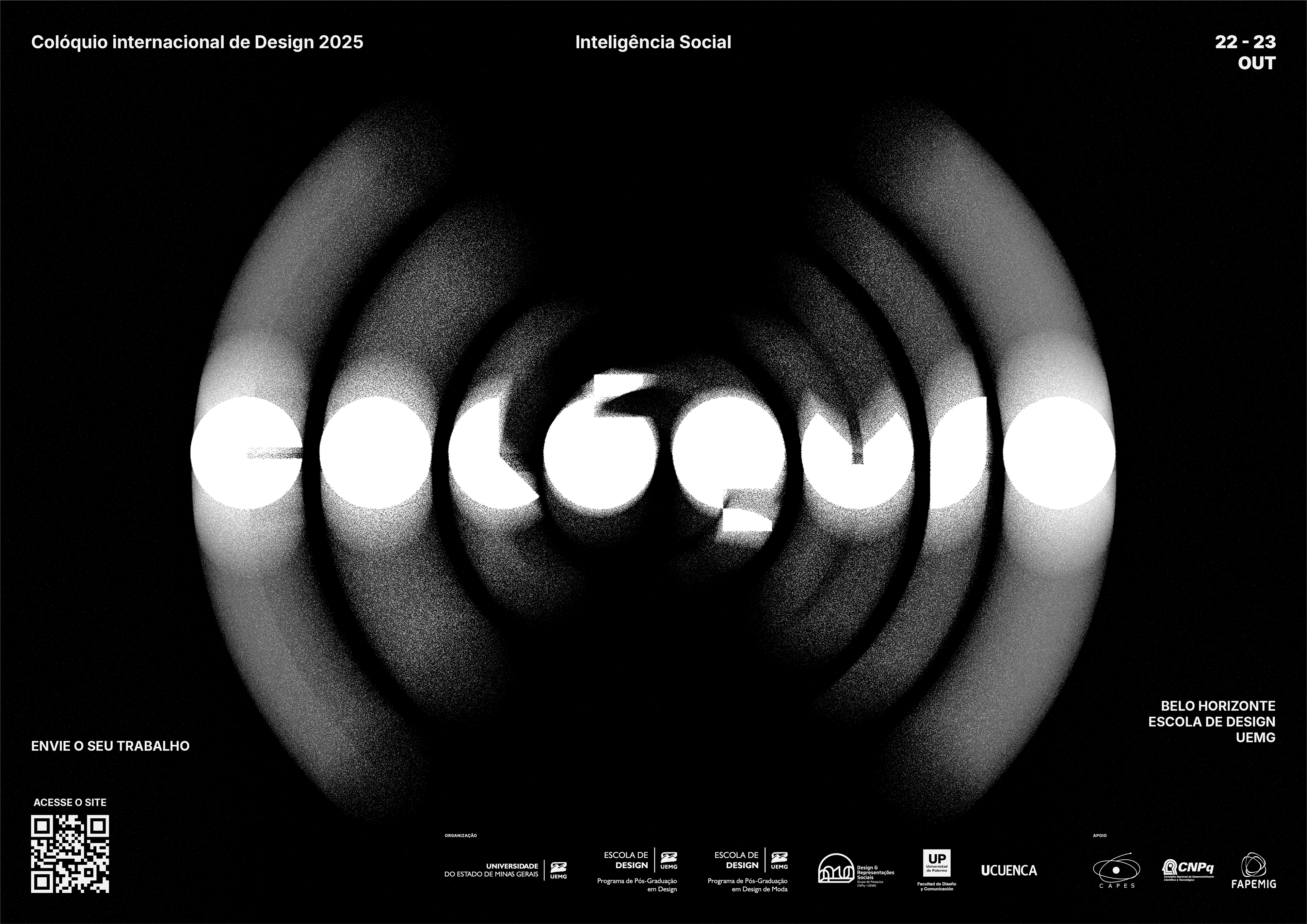
Visual identity developed for the International Design Colloquium 2025, an academic event dedicated to design research, critical discourse and international exchange. The project is grounded on the idea of design as a medium for the circulation and propagation of ideas, positions visual identity as an active layer of knowledge mediation, emphasizing familiarity and continuity across editions.
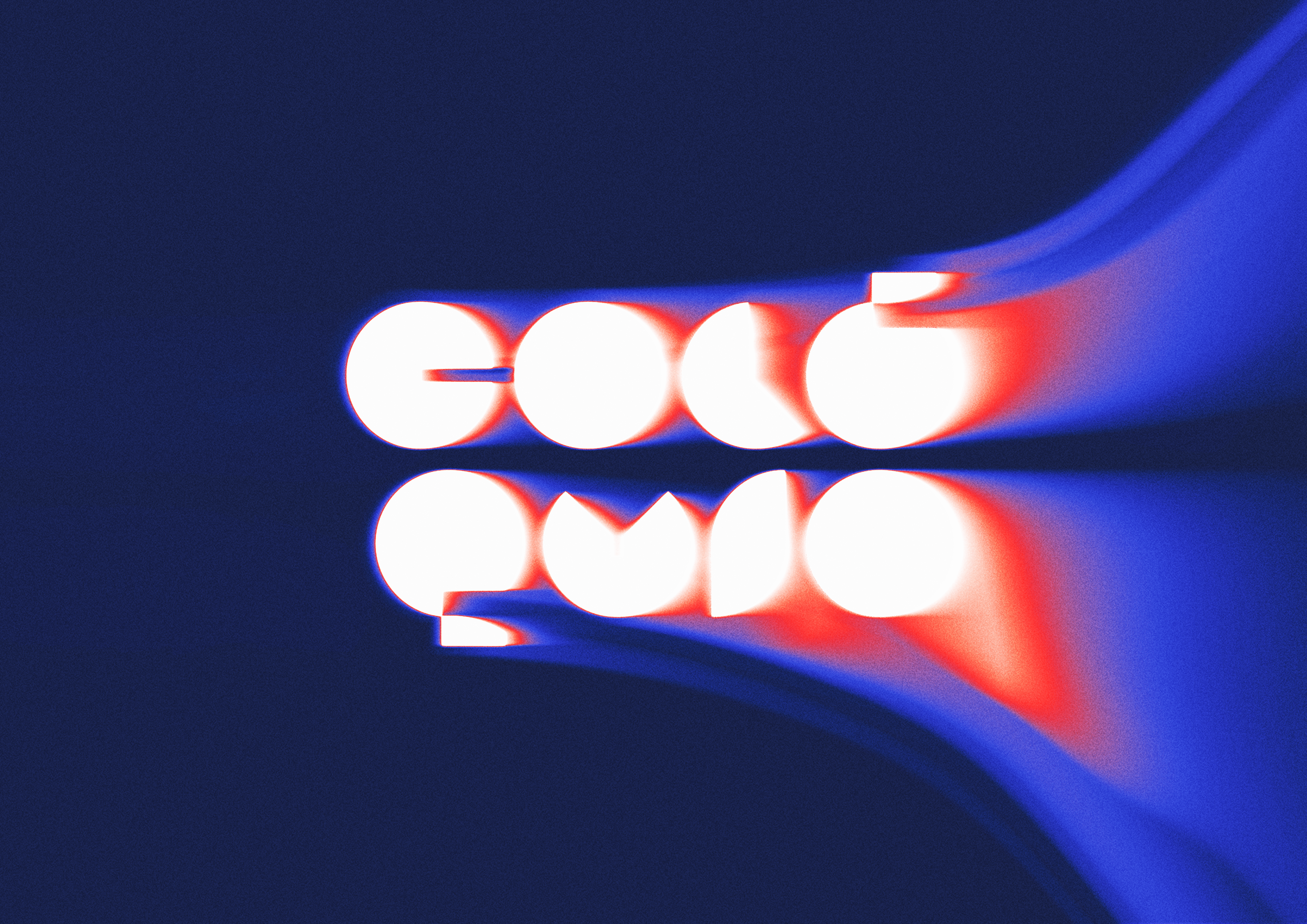
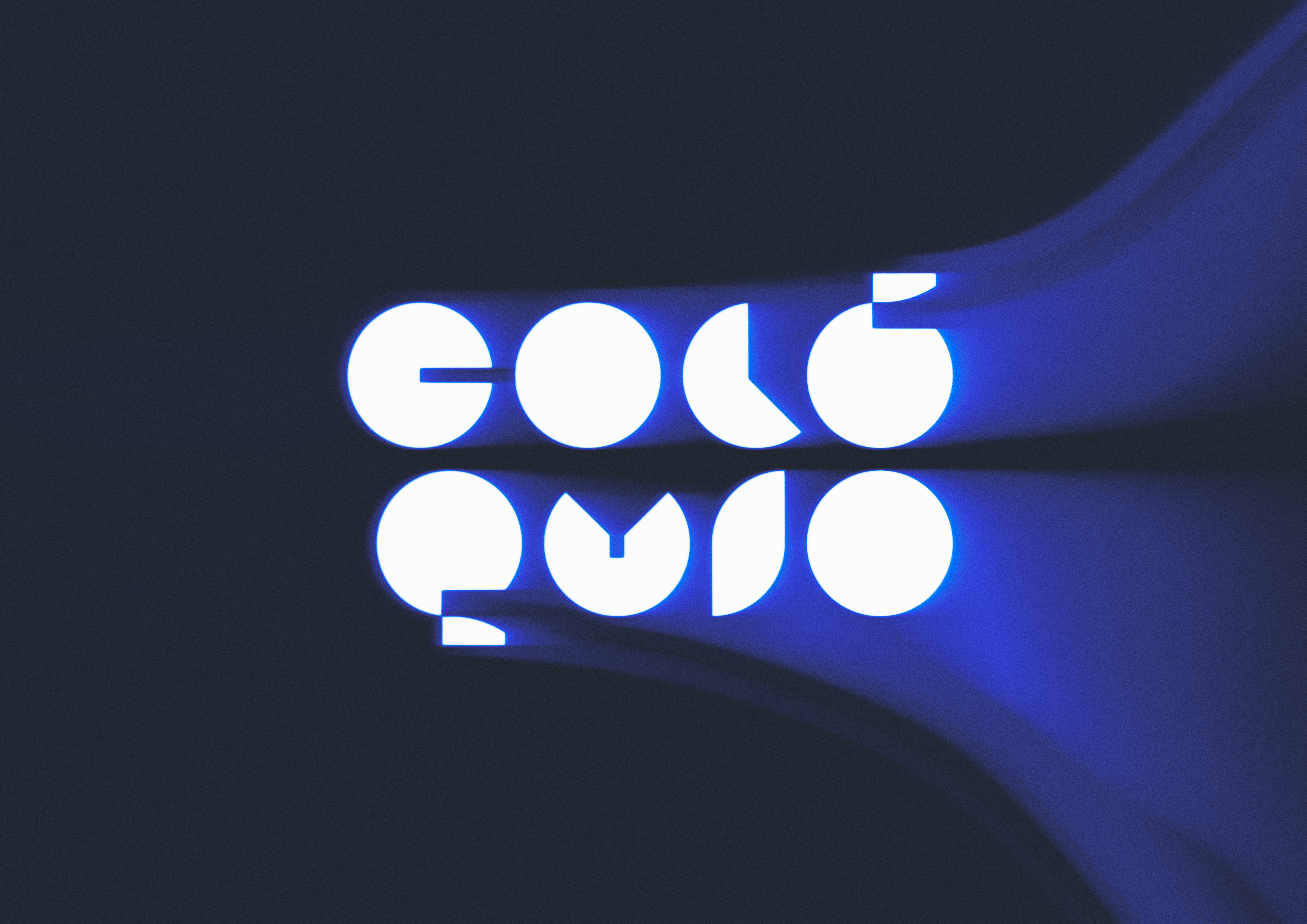
Inspired by visual metaphors related to waves, echoes and interference, the graphic language translates the dynamics of academic exchange into form, rhythm, and repetition. The identity reflects the colloquium as a space where multiple voices coexist, interact and generate new meanings.
social intelligence
International Design Colloquium: Social Intelligence
The theme of our seventh edition of this event, which has been held since 2011, focuses on shifting the current discussion, which is all the rage across different media, the use of artificial intelligence to the core of design: people. Therefore, the theme "Social Intelligence" aims to highlight the importance of our work in improving people's living conditions, whether through education, social inclusion, or policies that allow for changes in social parameters, driven or influenced by design.
The event is aimed at professors, researchers, students in postgraduate, master's and doctoral programs, as well as undergraduate students and professionals in the field. Each year we have a greater number of participants, who come from the most diverse regions of the country and Latin America.
Rita Ribeiro, Coordinator.

Design Challange
The main challenge was to create a visual system capable of:
• Representing academic dialogue as a dynamic process
• Organizing dense and heterogeneous content
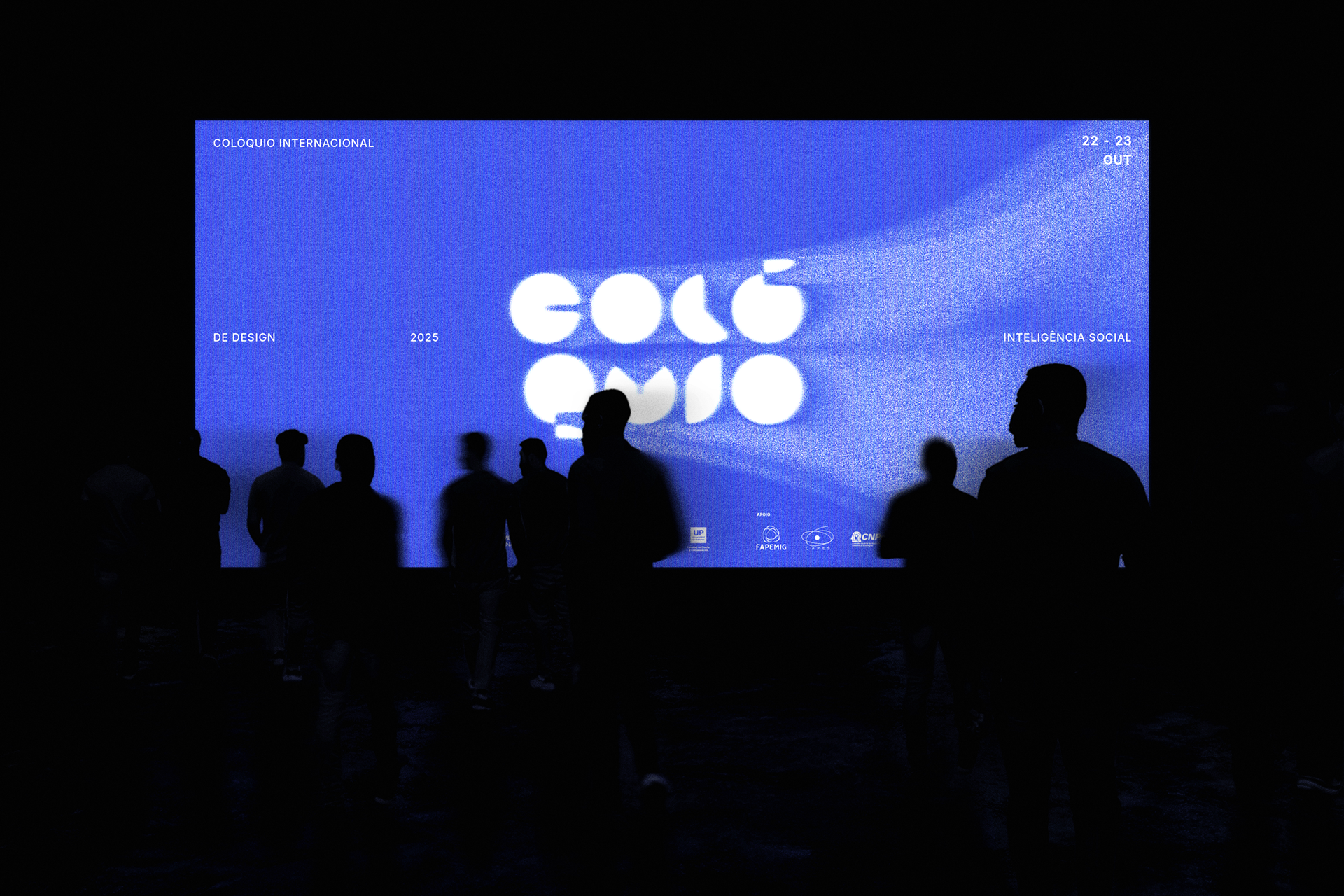
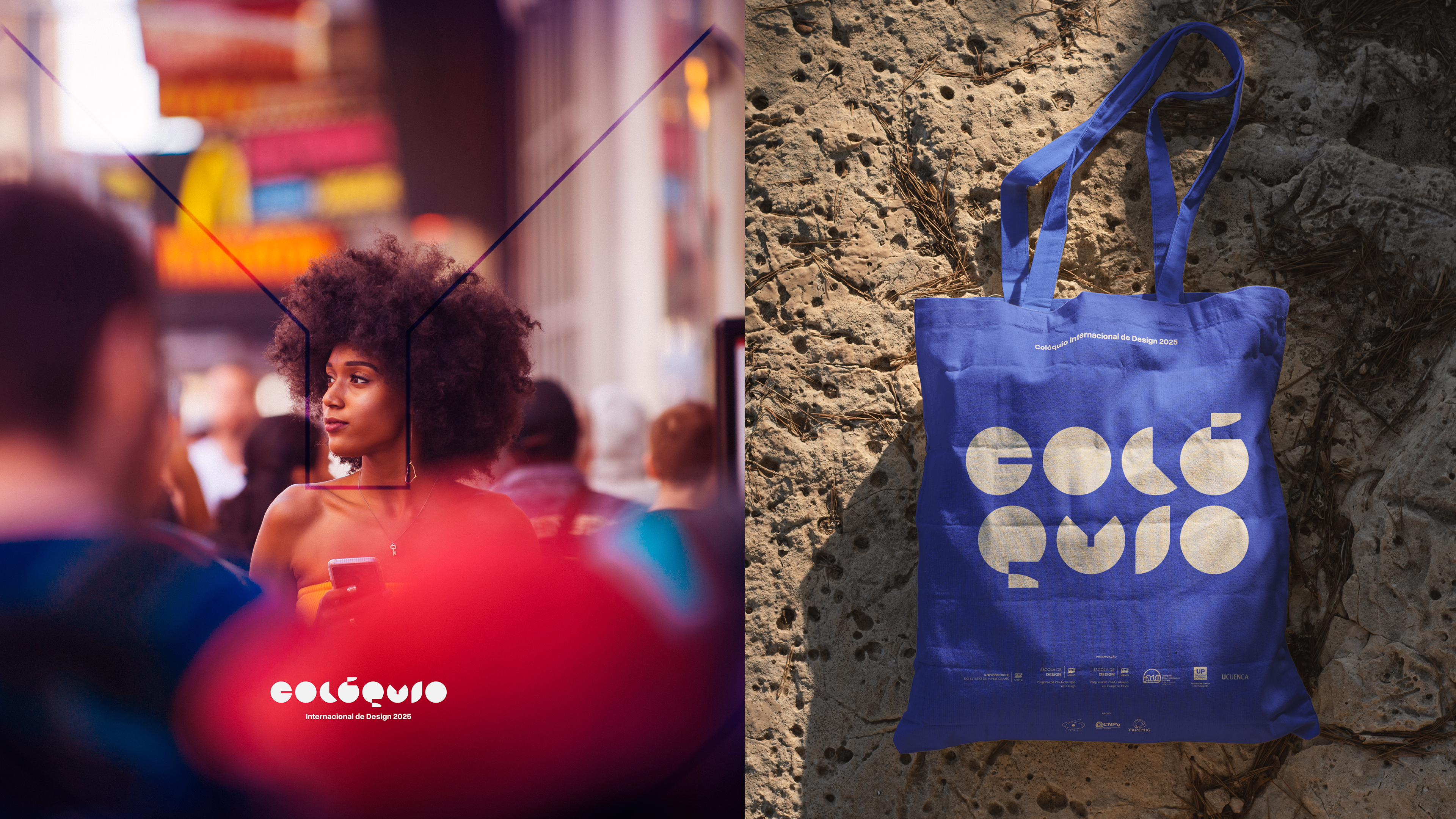
• Remaining flexible across physical, digital and spatial applications
• Balancing conceptual expression with functional clarity
• Representing academic dialogue as a dynamic process
• Organizing dense and heterogeneous content
• Remaining flexible across physical, digital and spatial applications
• Balancing conceptual expression with functional clarity
Design Approach
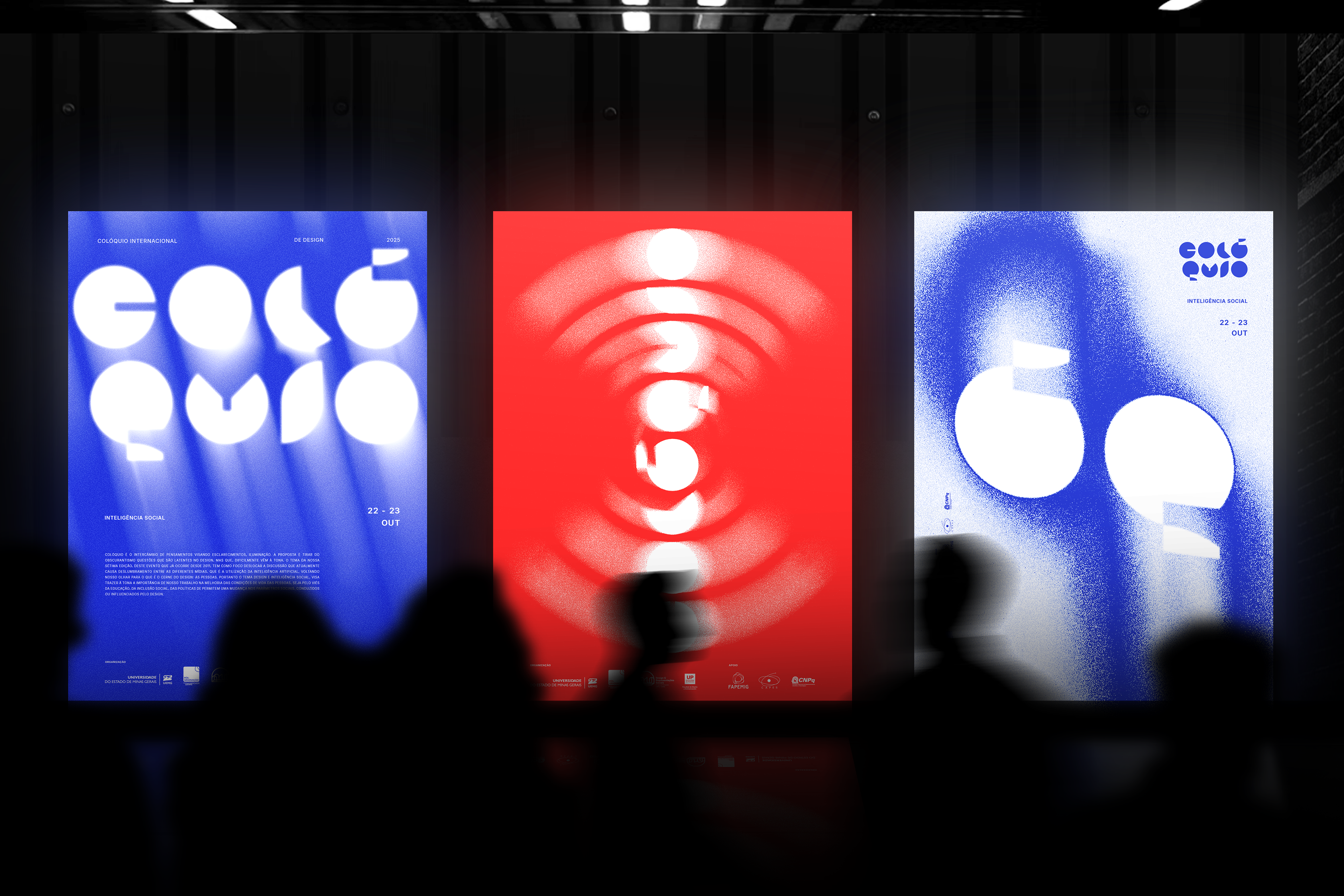
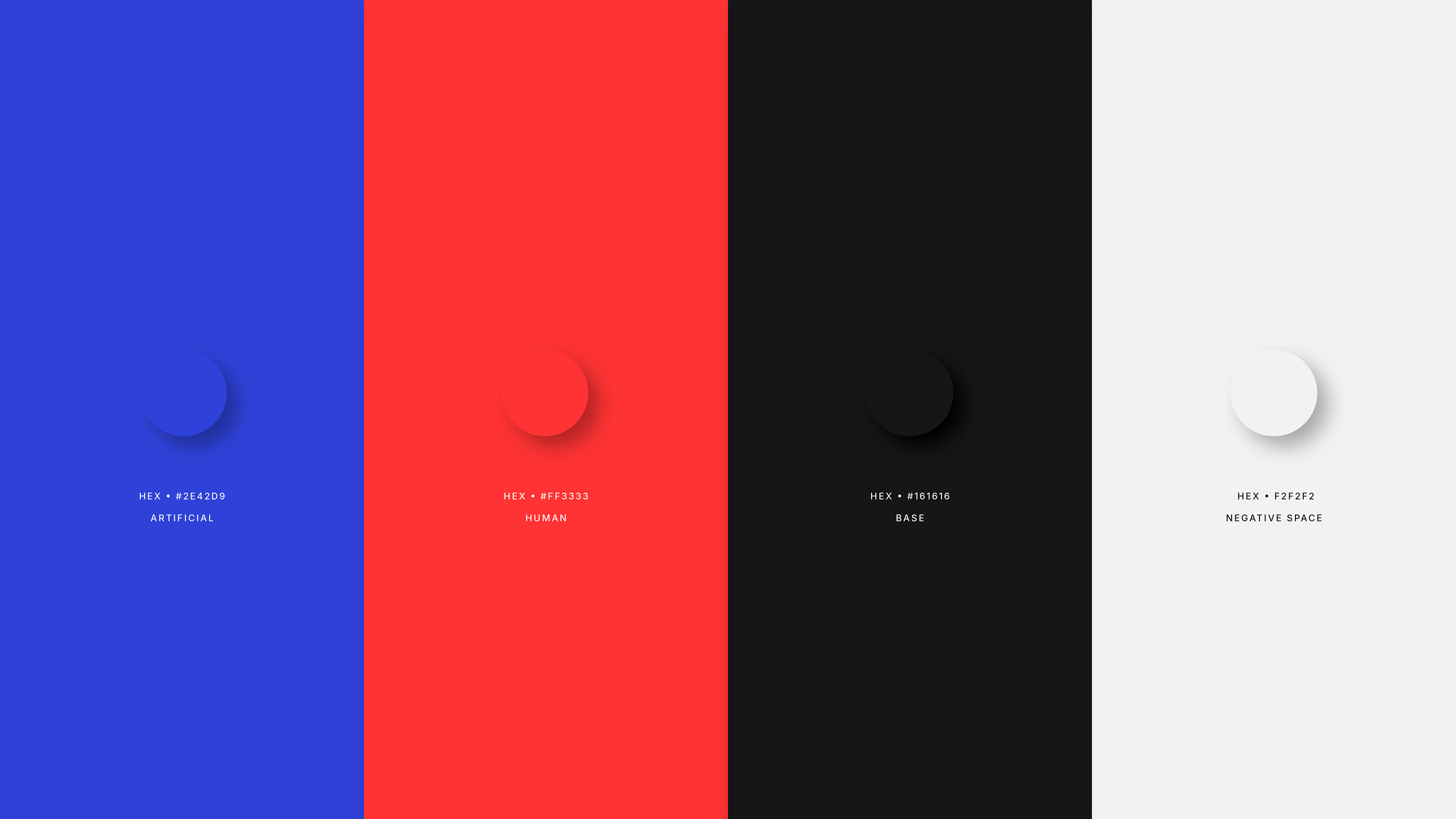
The graphic system was developed through modular composition, controlled variation and typographic hierarchy. Visual elements operate as structural devices, organizing information while simultaneously expressing the underlying concept of resonance and exchange. Repetition and variation were used to reinforce continuity, while allowing each application to reflect the multiplicity inherent to the event.
artwork exploration










Logo design
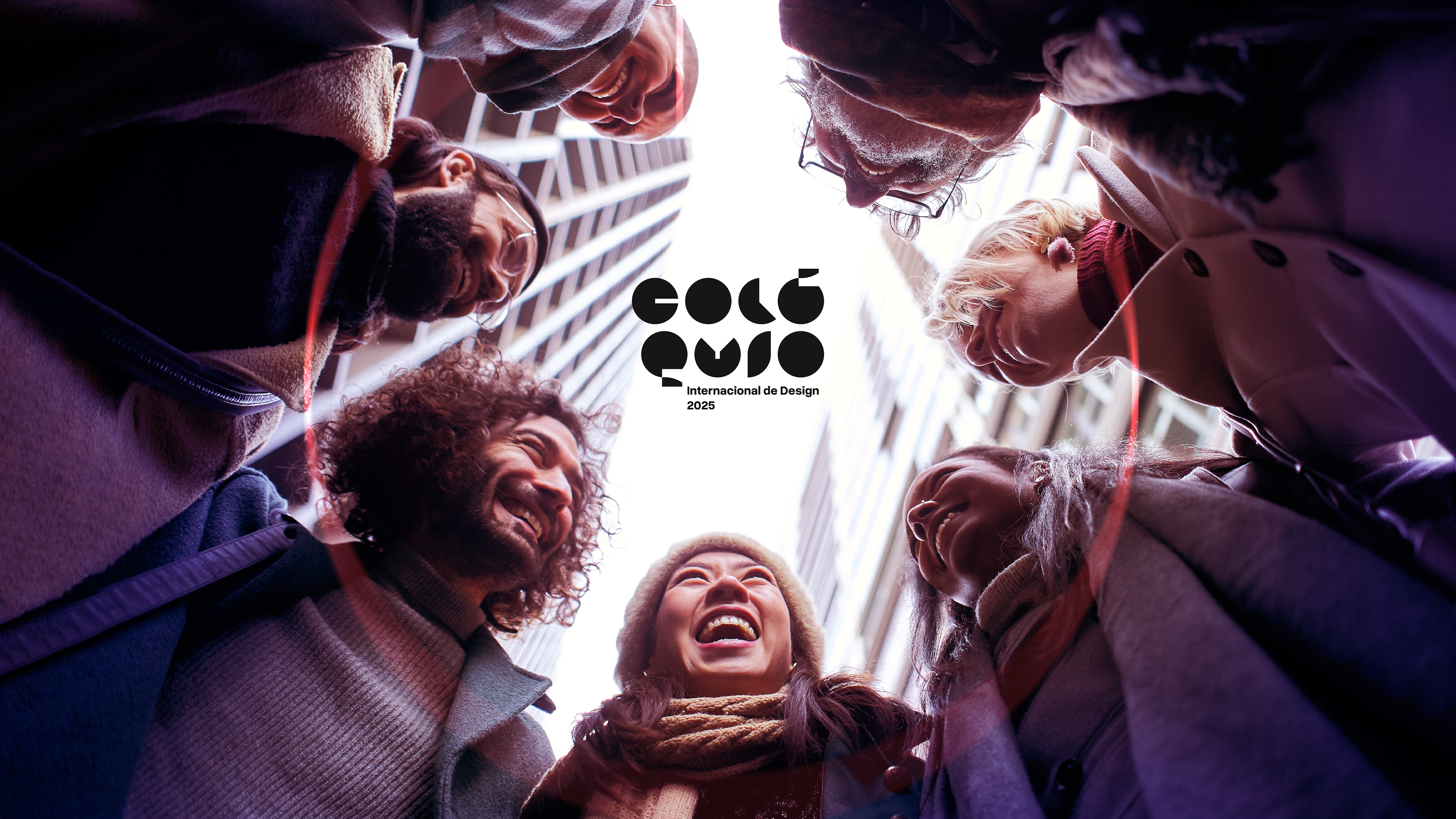
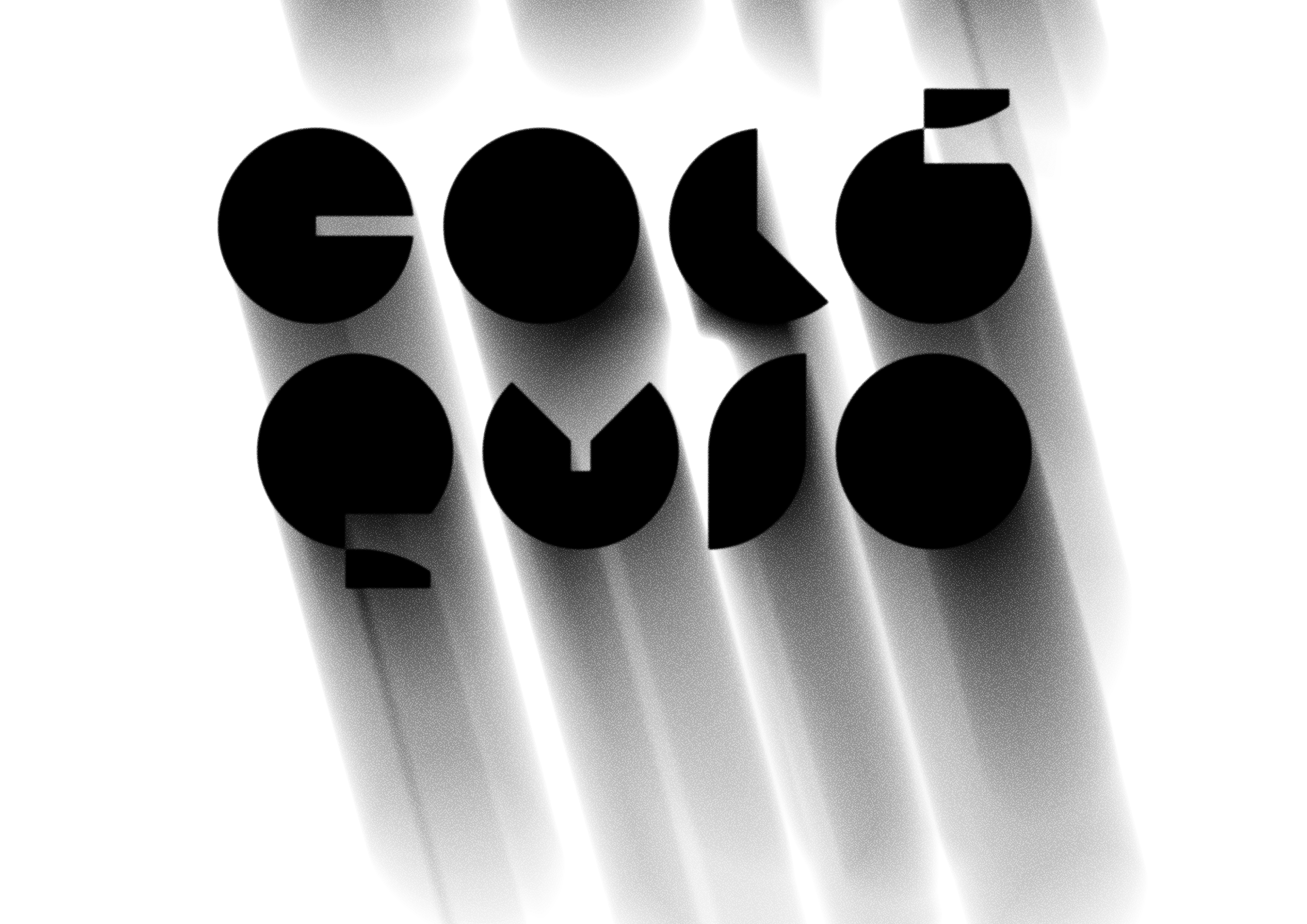
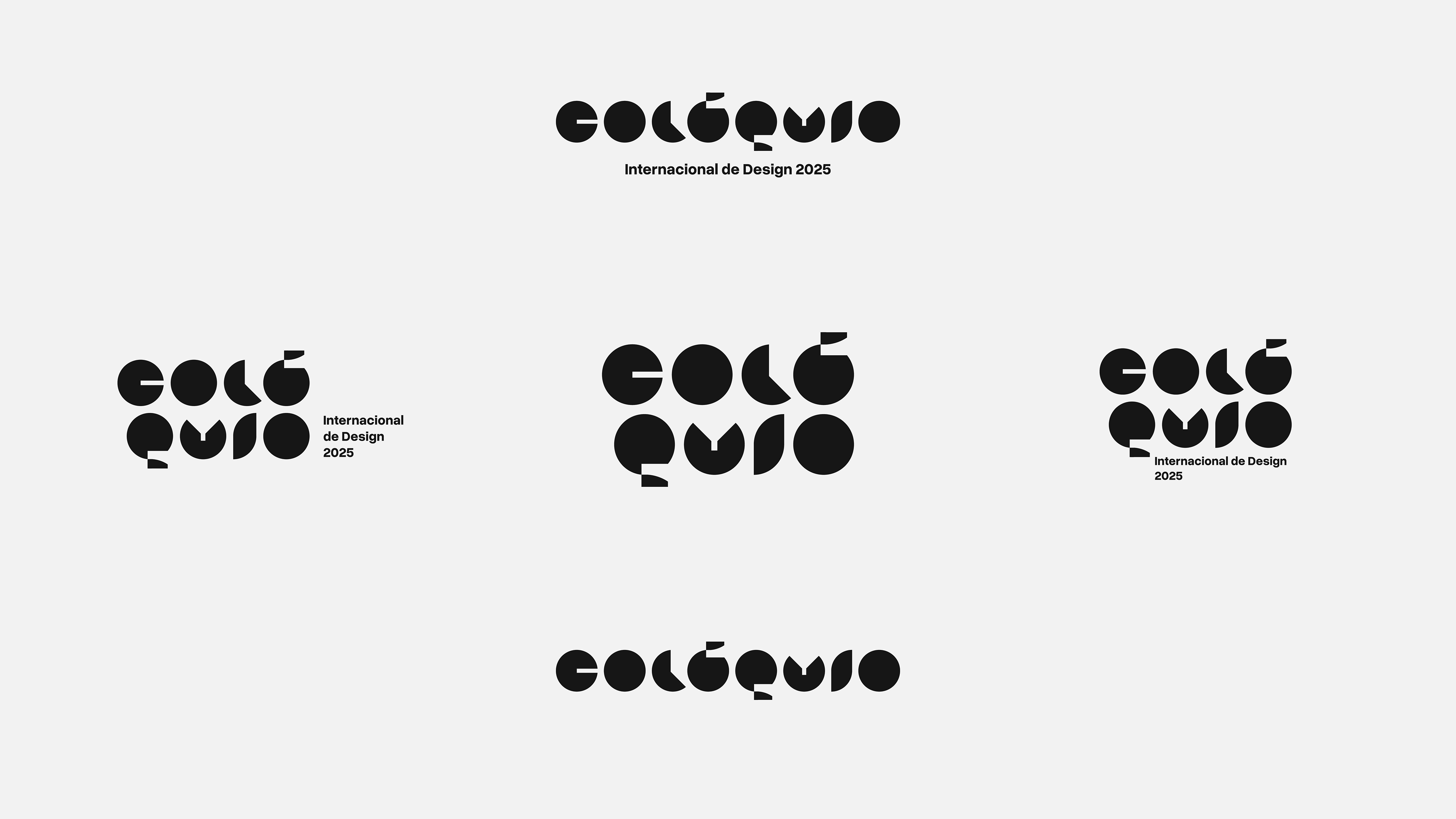
The logo was inspired by previous editions of the colloquium and designed to be familiar yet contemporary. It embodies the idea of social intelligence linked to the concepts of memory, legacy, movement and familiarity.
Applications
The identity was applied across:
• Event signage
• Printed materials
• Digital communication
• Spatial and environmental graphics
• Event signage
• Printed materials
• Digital communication
• Spatial and environmental graphics
Outcome
• Concept-driven visual identity system developed
• Successful application across multiple media
• Identity supported clear communication in a complex academic context
• Successful application across multiple media
• Identity supported clear communication in a complex academic context
Role:
Designer
Responsibilities included:
• Concept development
• Visual identity design
• Graphic system definition
• Application across multiple media
• Concept development
• Visual identity design
• Graphic system definition
• Application across multiple media
Credits
Designer: Pedro Damas
Organization: Design and Social Representations Research Group and its Research Center
Realization: Escola de Design da Universidade do Estado de Minas Gerais